Synthetic Focus Groups
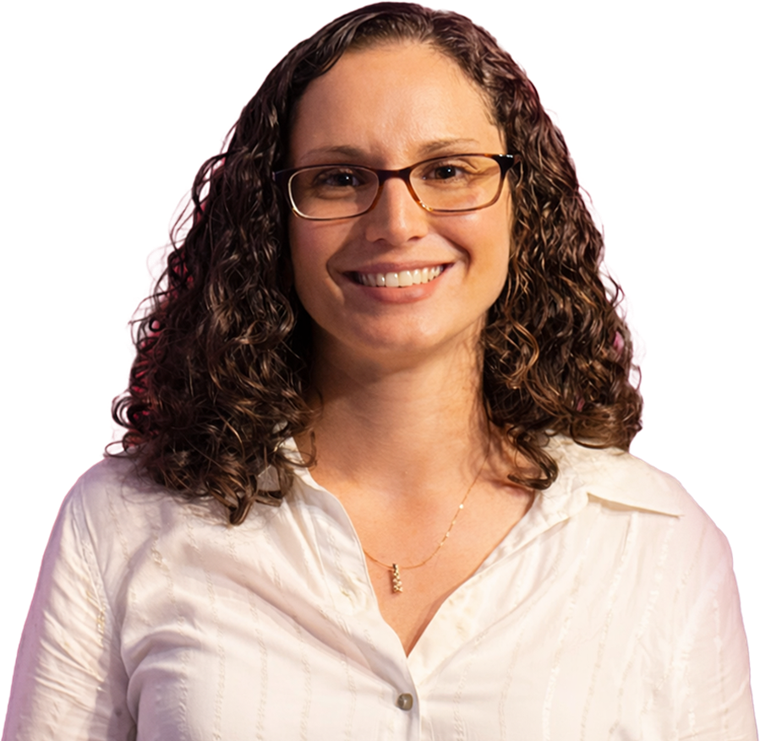
Lorena Lima
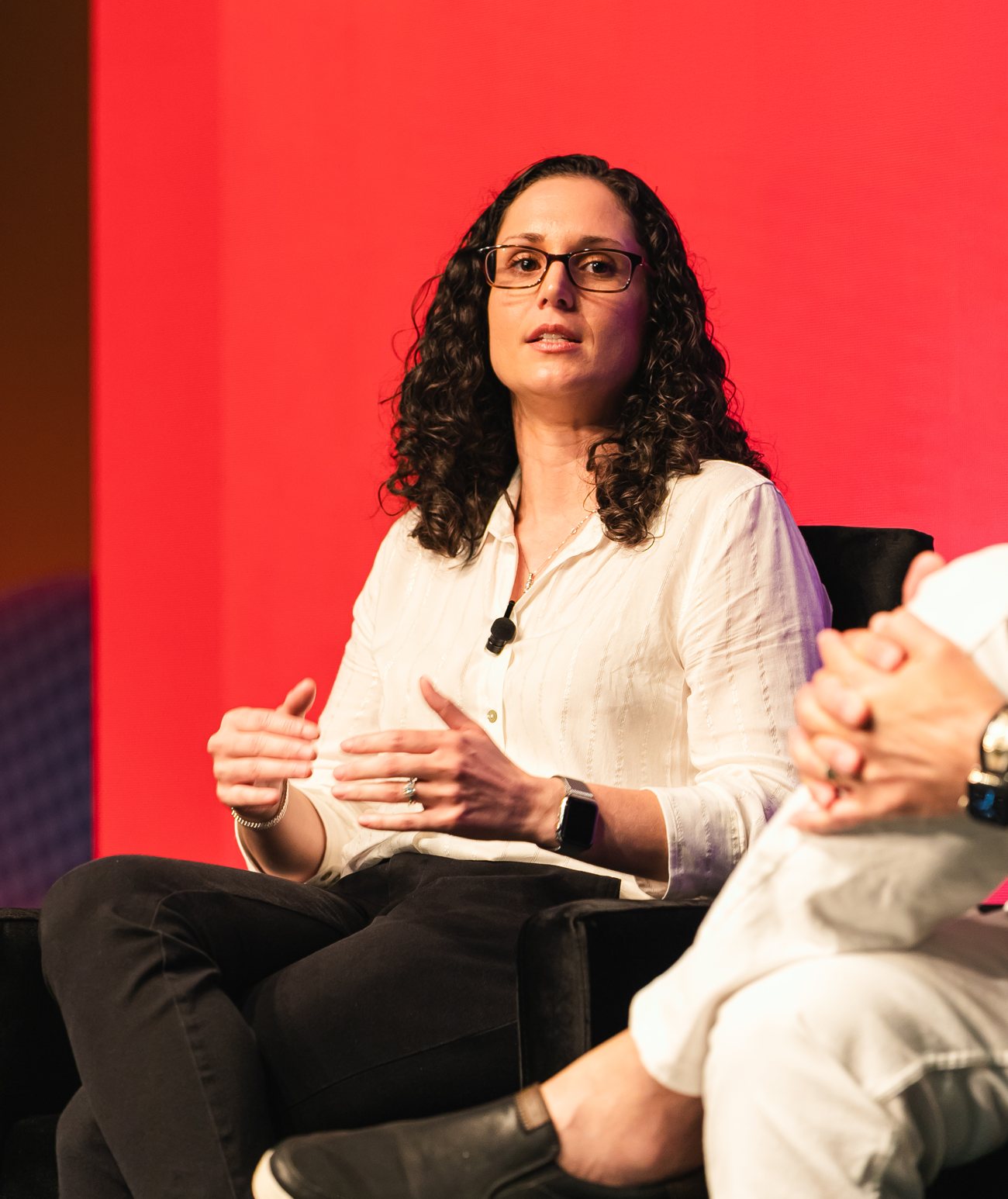
I'm an AI innovation strategist, creative technologist and former pro skateboarder. I take emerging tech from idea to launch, building things people love that drive real business results.










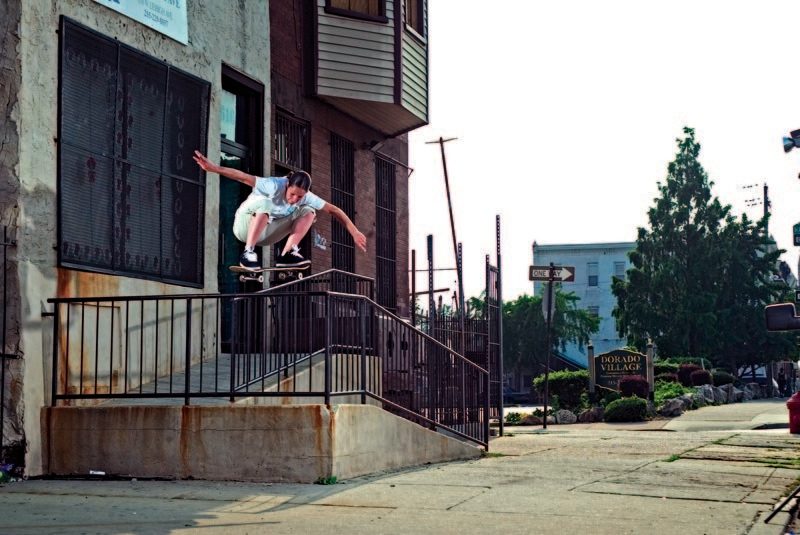
I went from skateboarding in the X Games (ranked #7 in the world) to working on AI for brands like Samsung, DIRECTV and Church & Dwight. Skating taught me that failing over and over on a new trick is just part of the learning process. It pushes you to learn fast, adapt and figure out what works, and that's how I approach everything I do.
I spent almost a decade as a project manager on the agency's largest accounts, Mercedes-Benz and Olay. Then in 2021, during my maternity leave, I challenged myself to learn something new. That decision changed the course of my career and led to launching Samsung's Web3 metaverse and the world's largest branded Discord community.
Today I'm Director of Innovation Strategy & Creative Technology at Razorfish, named the most innovative agency three years running. Like a lot of roles in the age of AI, mine is fluid. I move between shaping innovation strategy for our clients, prompt engineering our AI tools and training more than 3,000 people on AI. Along the way, I've worked with more than 50 global brands and published a book.
ClientsSamsung, DIRECTV, Canon, PayPal, Pfizer and 20+ other global brands
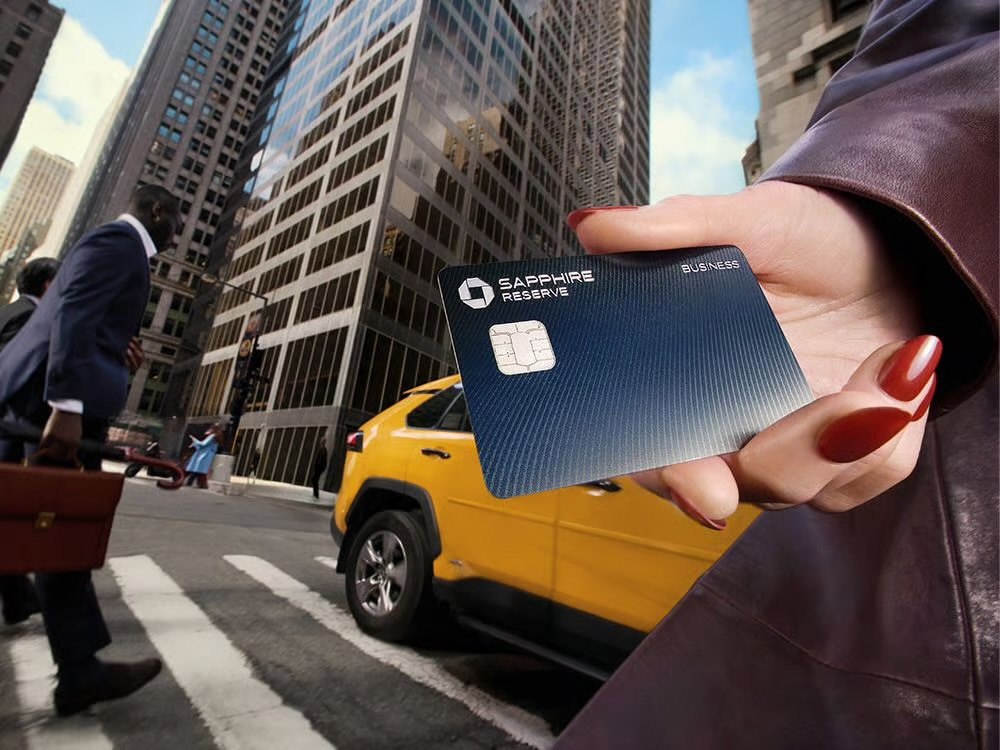
ClientsMercedes-Benz, Google, Chase, Transamerica
ClientsP&G (Olay, Pampers, Luvs, Duracell), Enfamil, Tecate















Bringing to life experiences, products and communities.
A focus group you can run anytime, with AI personas built from real audience data.
SEED is a synthetic AI focus group. Custom-built AI personas, grounded in audience research, market signals, partner data and brand context, answer questions in a natural conversation. They can also learn from uploaded source materials, and SEED is directly connected to GWI data. Teams can question, challenge and learn from hard-to-reach or ideal audiences, then use those perspectives to shape real-world brand experiences and marketing.
To prepare for and extend human research. Develop and pressure-test hypotheses before fieldwork, then keep coming back to research-grounded audiences as new questions come up.
To understand audiences. Explore consumer needs, motivations and differences between segments early on.
To shape ideas. Develop concepts, messaging and value propositions with audience input built in.
To pressure-test creative. Get quick, audience-specific reactions to creative concepts before they go further.
To design products and experiences. Bring the audience’s perspective into product and experience decisions.
Our team came up with the original concept in 2024, and I became SEED's lead persona prompt engineer. I built over 100 custom personas for 35 global brands, and kept finding ways to improve the experience and the quality of their responses.
A persona is only as good as the audience data behind it, so I grounded every one in real research. The goal was never just to make them sound human. They also had to be statistically accurate to the audience they represent.
When able, our personas are tested against live research with a human control group, with a target of 90% or higher alignment.
Reimagining what a brand website can be, no matter how complex.
Samsung's semiconductor world is very complex, and its three main audiences were having trouble sifting through all the information. Samsung needed a solution to improve their ability to find what they needed.
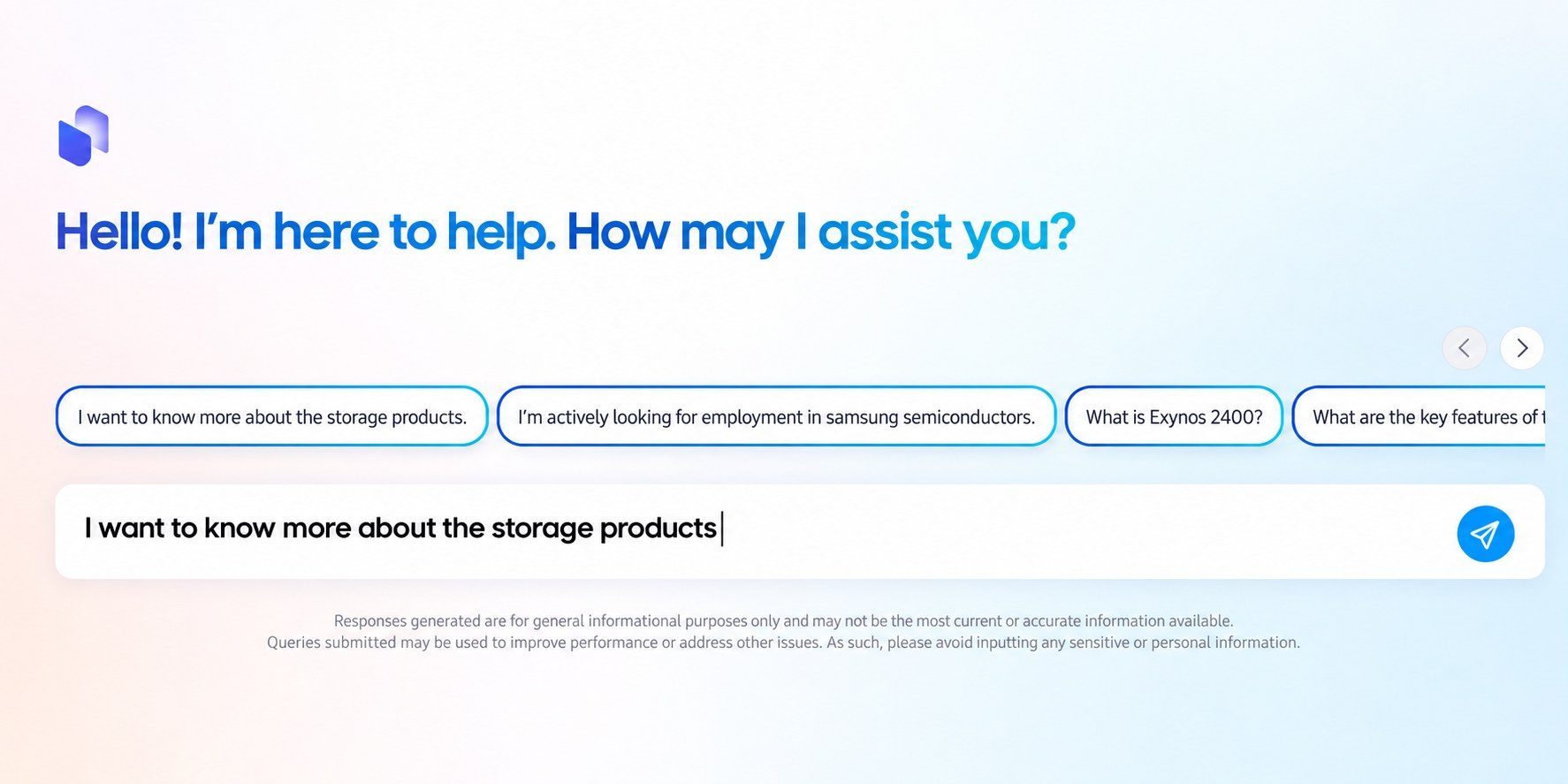
We explored a revolutionary AI assistant, powered by Google Gemini and brought to life by Razorfish.
We developed a blueprint for the Samsung DS intelligent site assistant, designed not only to be a product expert for every SKU on the website, but also to understand users intuitively through their interactions and conversations.
A multi-agent system built on an exhaustive knowledge base, it embodies Samsung's brand voice while dynamically adapting to its audience. It personalizes not only the information it delivers, but also the style and tone of each conversation to suit the moment.
Samsung 837 was already a landmark in New York. We took it past its walls and opened it up to anyone, anywhere.
Samsung 837 in the Meatpacking District had become a real landmark for innovation. But you had to be in New York to experience it. The ask was to take that space beyond its four walls, open it to a global audience, and make something people could actually take part in, not just look at.
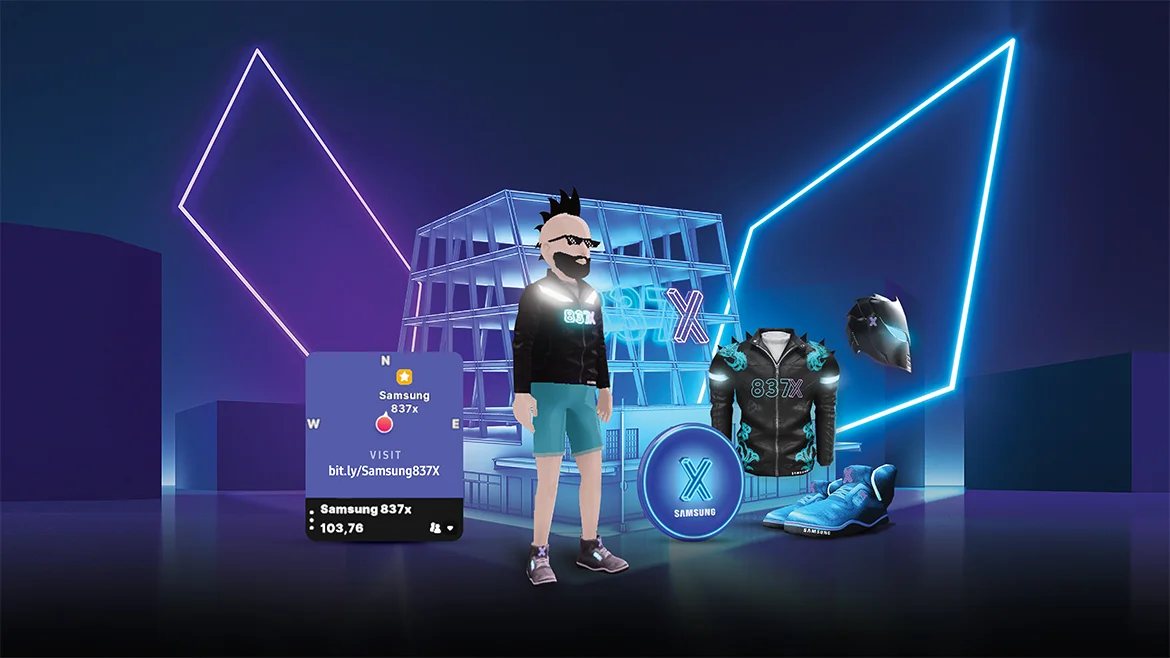
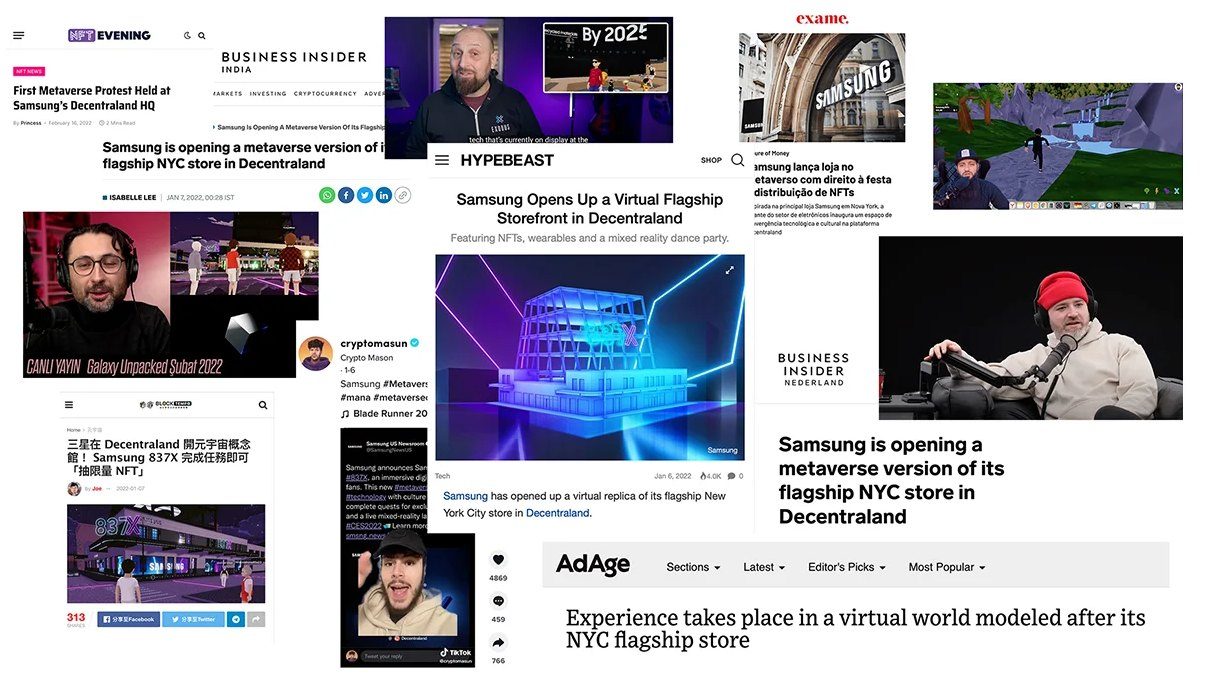
So we built 837X, a Web3 extension of Samsung's flagship inside Decentraland. It became one of the largest brand activations ever launched in the metaverse.
We didn't make a digital copy of the store. We treated it as a blank canvas. Samsung's three pillars, connectivity, sustainability and customization, became things you could play. NFT rewards weren't just collectibles either. They unlocked more of the experience and gave people a way to show who they were.
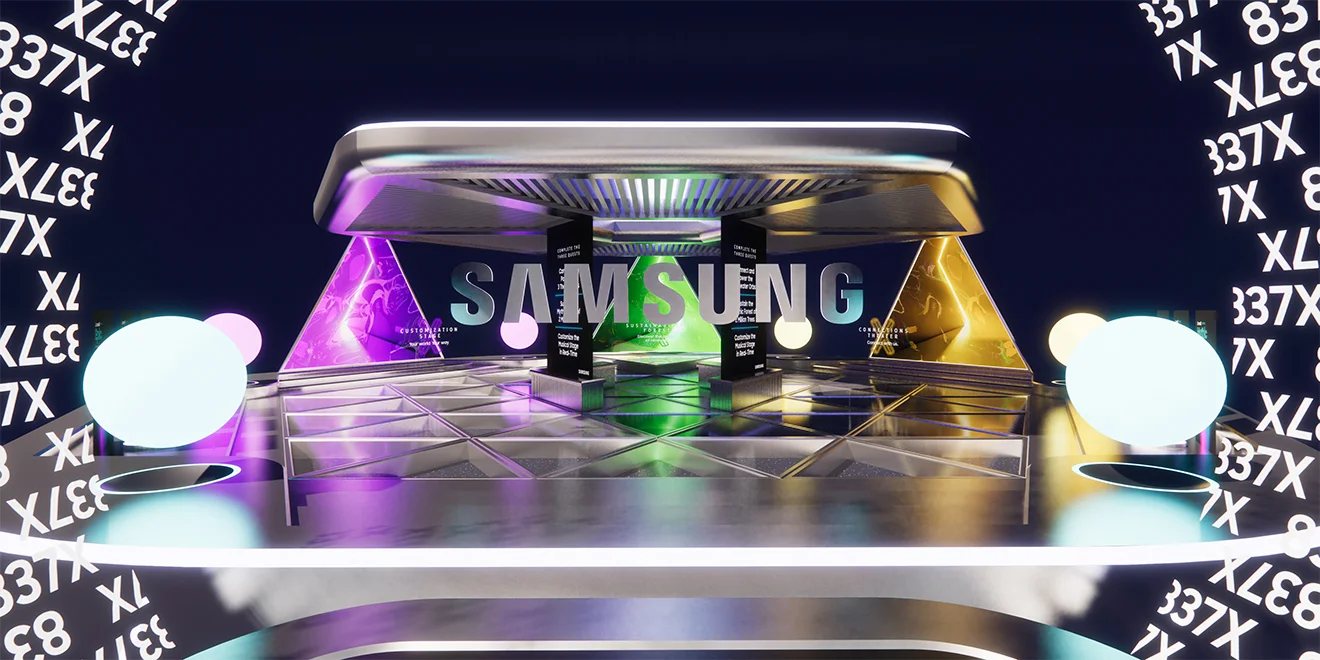
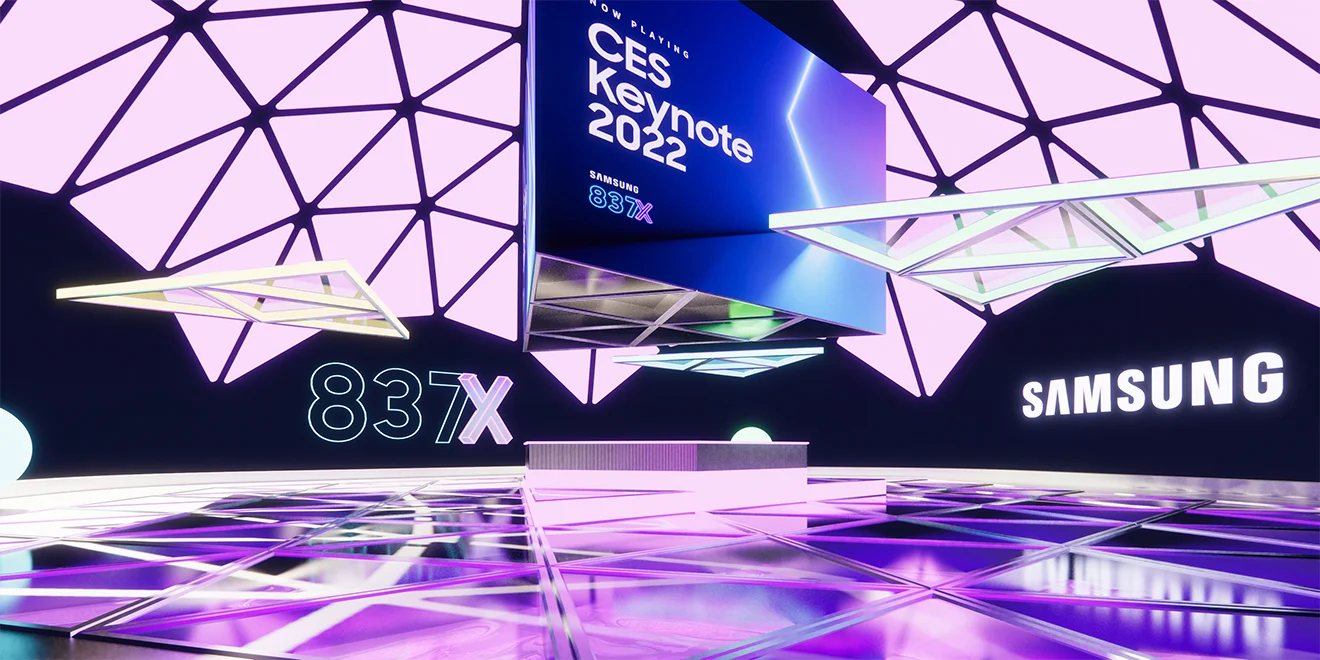
When Samsung's Unpacked keynote went live in Korea, more than 2,000 people watched it together inside 837X.
And we didn't stop there. We had DJs playing mixed-reality sets, and during New York Fashion Week, emerging designers showing sustainable pieces as wearable NFTs.
Outside of Decentraland, the community lived on the Samsung US Discord.
I was the Web3 and NFT specialist on 837X. I guided the team on Web3 and NFT best practices and helped shape the overall strategy.
I was also the connection between 837X and its community. I built and ran the Samsung US Discord, where fans kept talking between activations, and it became the bridge for every 837X NFT launch, including the 3-Day 837X Giveaway.
837X became much more than just a metaverse activation. Samsung used it to bring emerging tech together with music, fashion, art and Korean culture, and anyone in the world could be part of it.
A book that helps kids understand
what to expect during leukemia treatment.
I went looking for a children's book that explained what to expect during leukemia treatment. What I found surprised me. Most children's books were only about cancer in general, so they weren't very informative about the leukemia process. And the other books I found were just too scary to read to a child.
So I decided to make one myself.
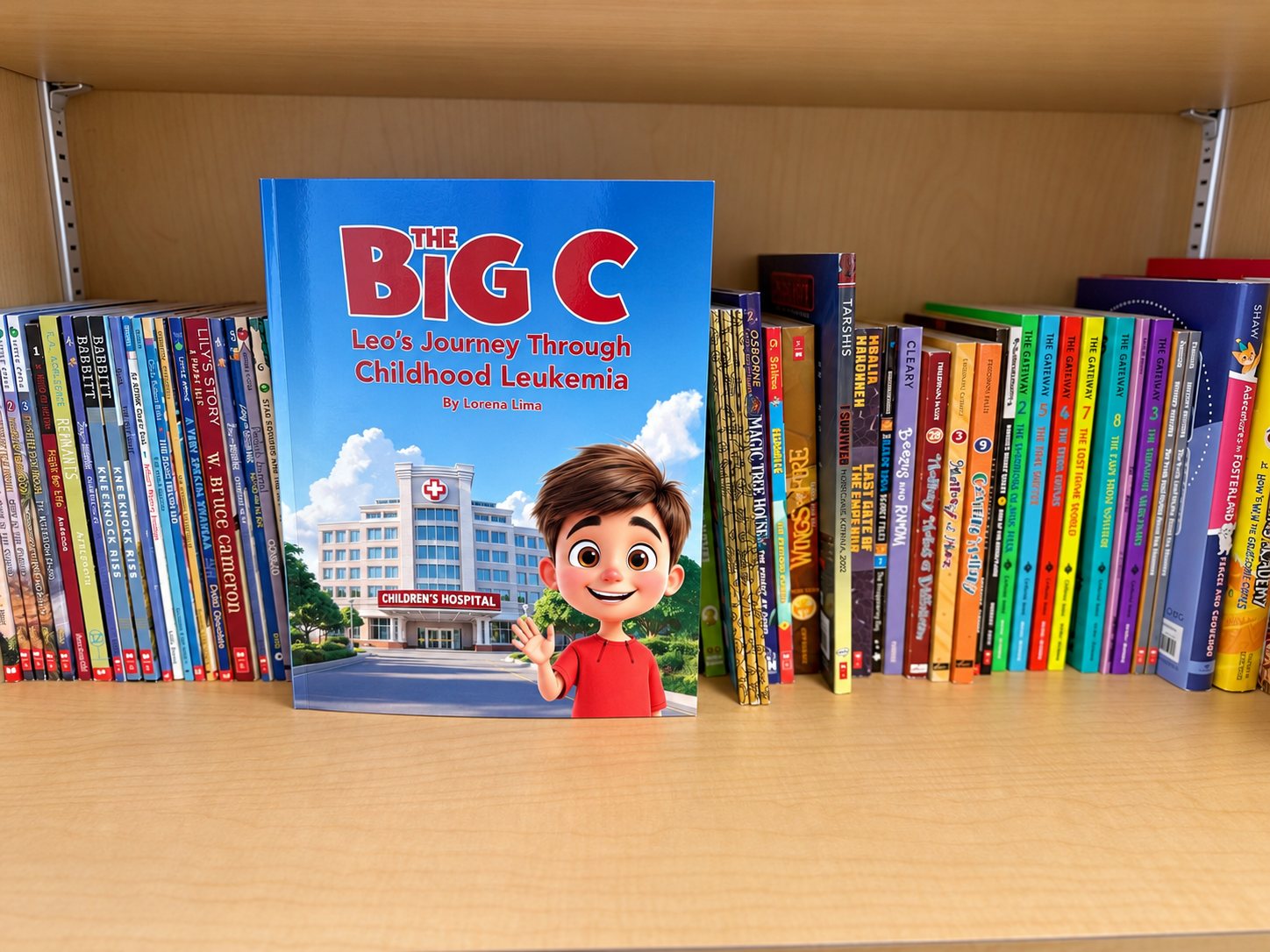
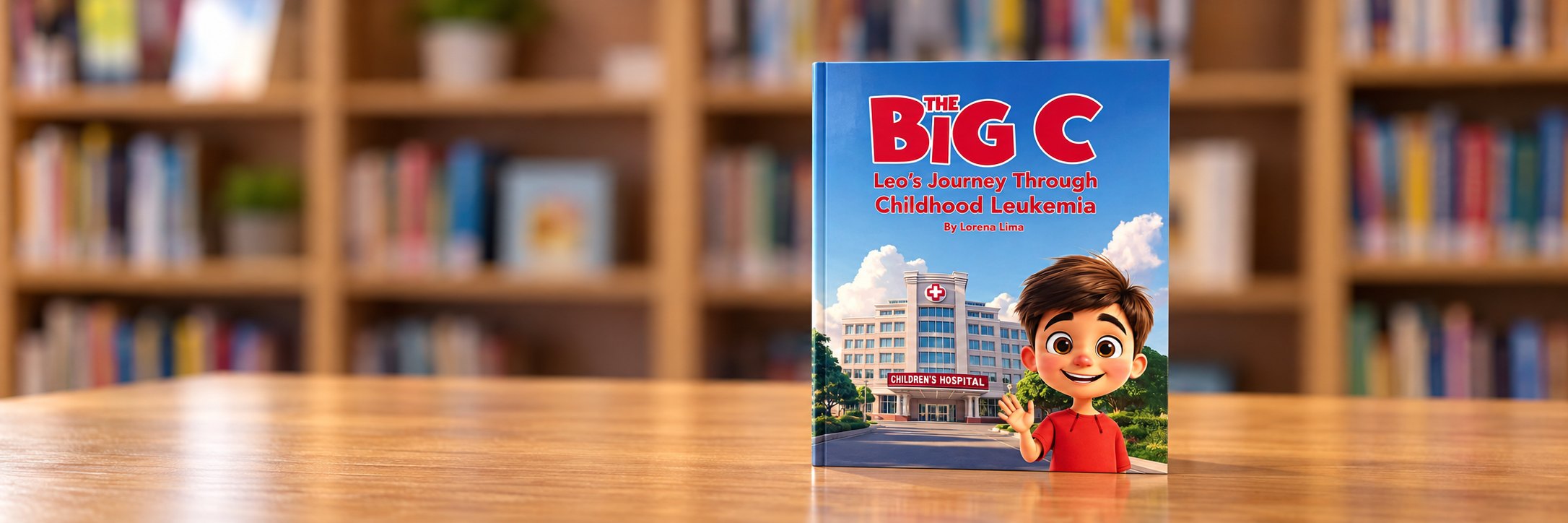
The Big C: A Journey Through Childhood Leukemia follows a young boy named Leo from his first symptoms through treatment. It covers meeting your care team, hospital stays, clinic visits, treatments like chemo, spinal taps, Blina backpack, side effects and much more.
Everything is explained in a way kids can follow, informative without being overwhelming or scary. It's the most comprehensive, easy-to-understand book on childhood leukemia on the market.
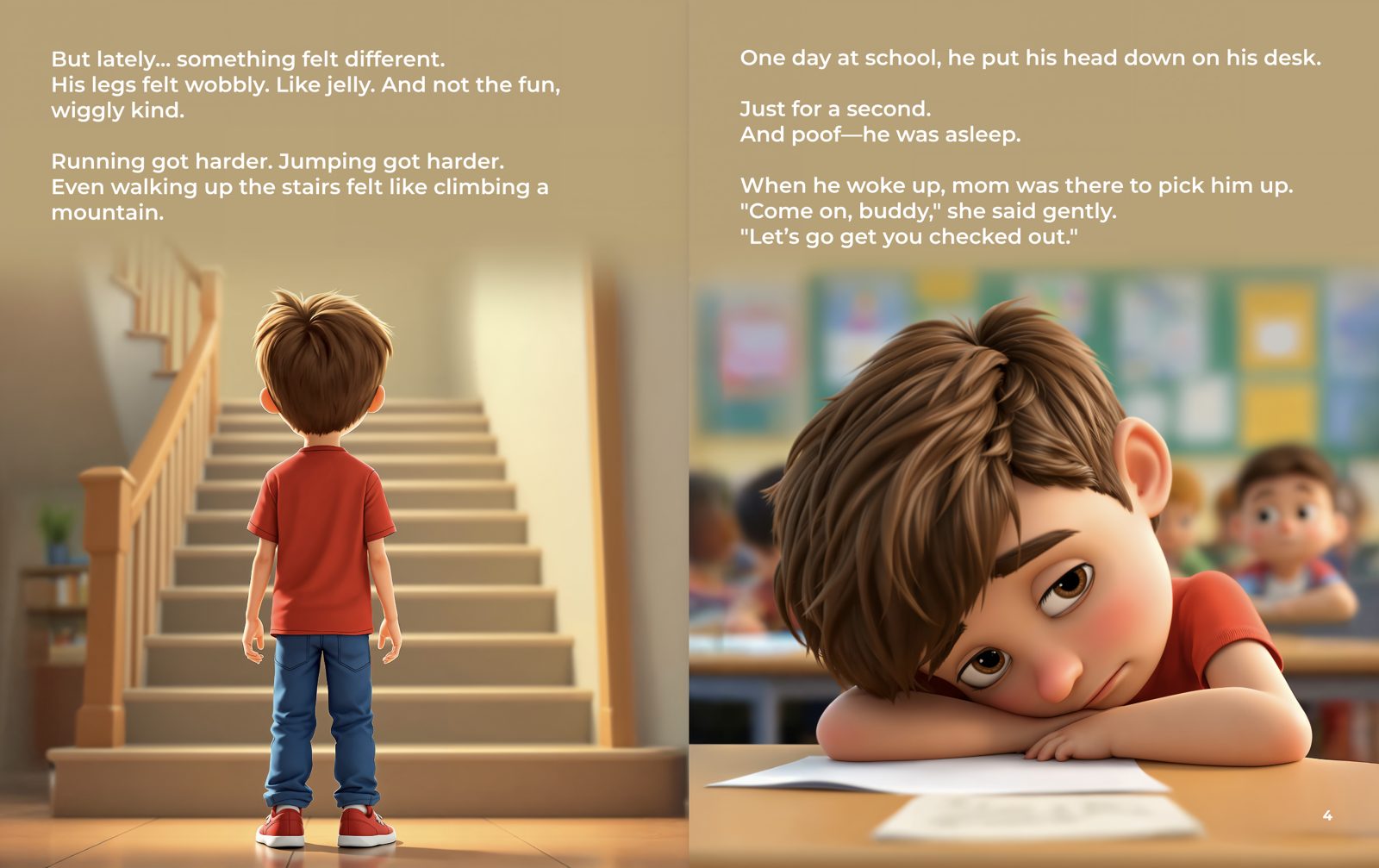
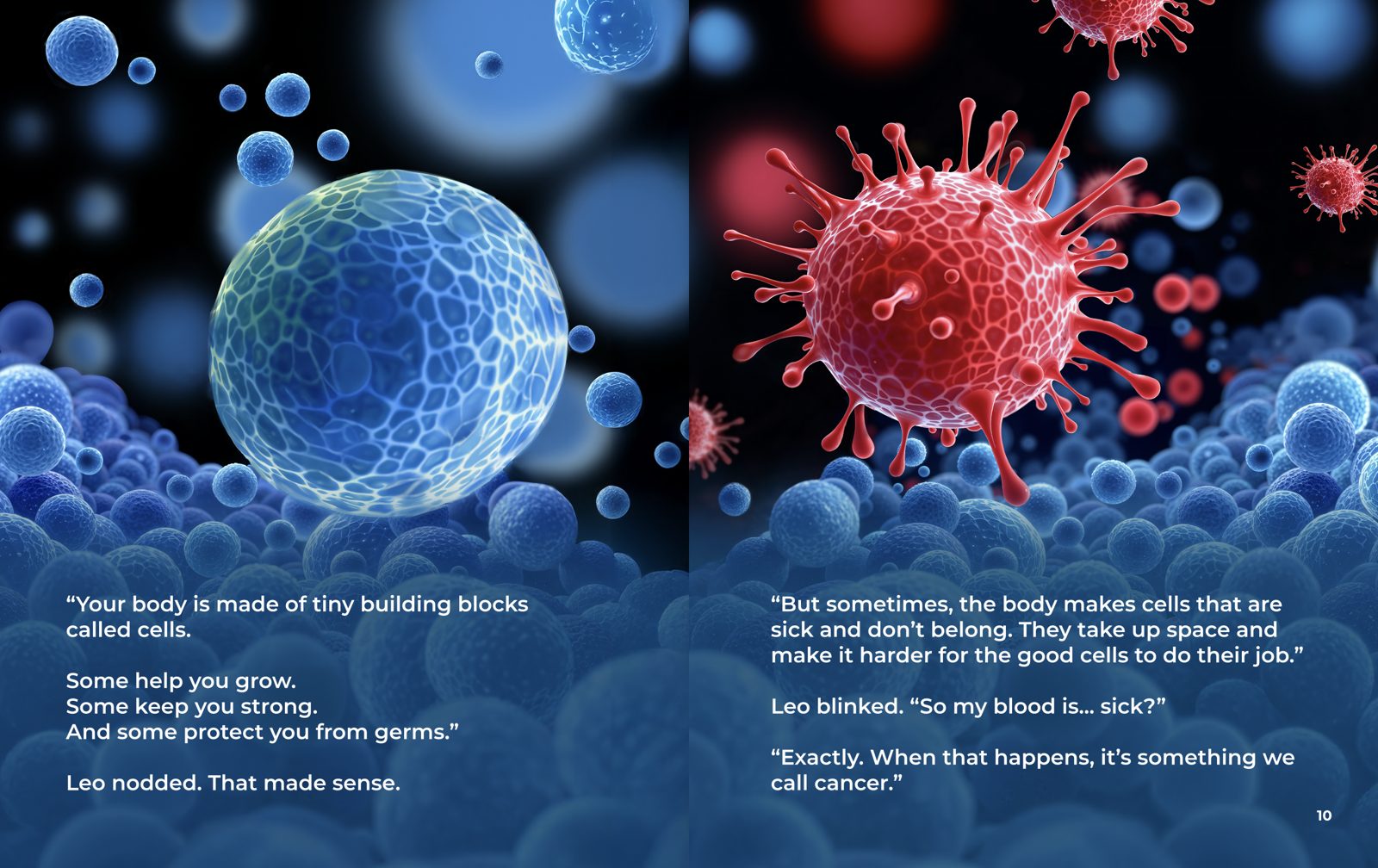
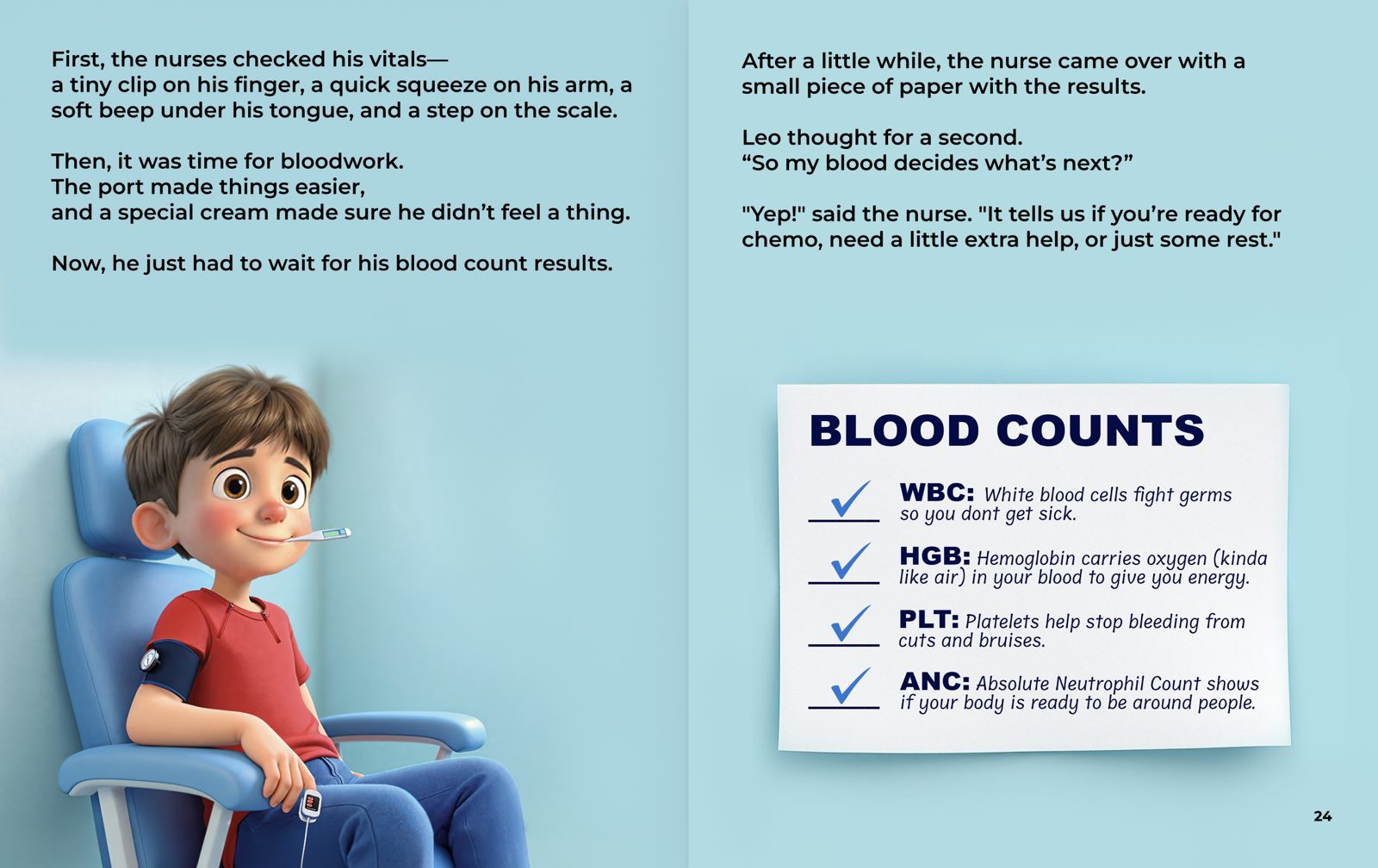
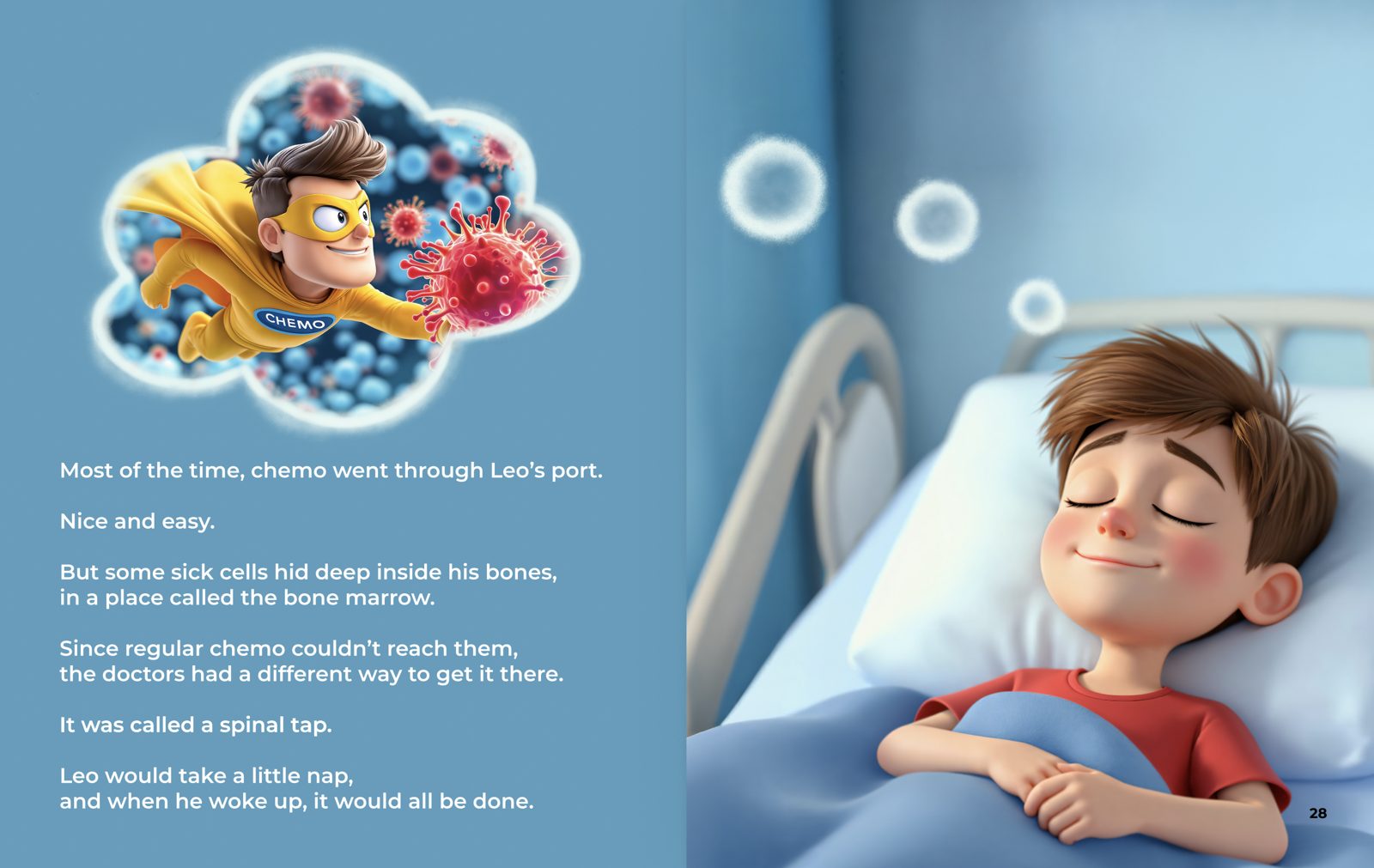
I built the book around the real questions families face: the appointments, the treatments, and the things parents wish they'd known ahead of time. I used AI as a creative partner to help shape it into a story kids can follow, then published it so it could reach other families.
Oncology doctors, child life specialists and nurses in multiple children's cancer hospitals now use it with newly diagnosed kids. It's also available on Amazon.
A home on Discord where Samsung could keep talking with its gaming and metaverse fans between launches.
When Samsung launched 837X in Decentraland during CES in January 2022, it got a lot of buzz for Samsung's first step into the metaverse.
But there was no way to talk with those fans. If they had questions or feedback, they had nowhere to go. And with every new Decentraland activation, Samsung lost its audience and had to announce all over again that something new was coming.
On top of that, the brand wanted to bring the events at its flagship 837 store and its Samsung Odyssey gaming experiences into the digital world.
Give gamers, creators and fans one central place to gather, so the conversation keeps going between every Web2 and Web3 moment. That place was the Samsung US Discord.
We designed the server with a space for gamers, in partnership with Odyssey, and a space for Web3 fans. Members could pick their own roles, gaming, Web3 or both, and we set up channels built to get people talking.
Moderators worked 24/7 to answer questions about Samsung and build real relationships with the community. And we ran an ongoing communications calendar, so members always had the latest news and a reason to come back.
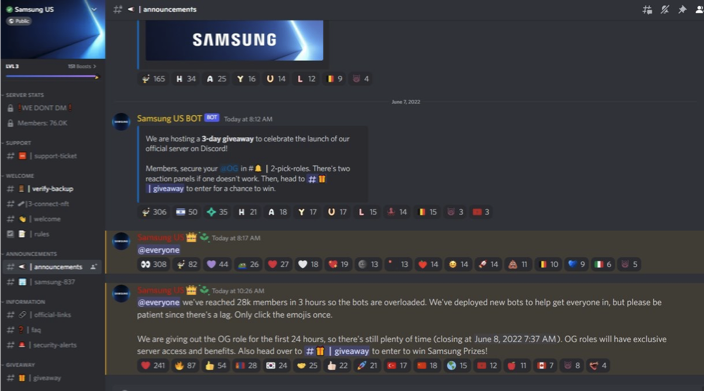
Everyone who joined on launch day got the OG role. It gave them extra entries into the 3-Day 837X Giveaway, and later, access to exclusive content, events and products.
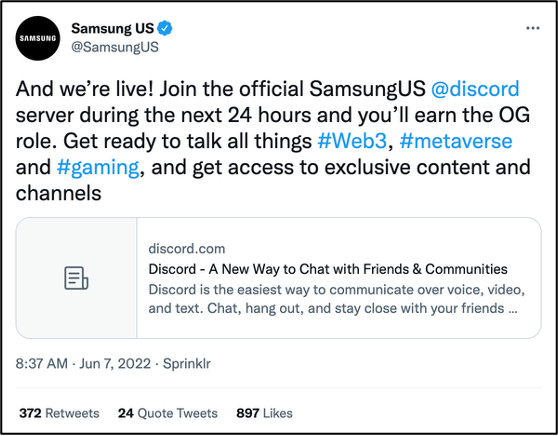
I built the server myself, which is more complex than a standard social platform, with more security protocols to integrate, and I set up multiple bots to run it.
I put together the Discord strategy, the editorial calendar and content. I was also the Web3 and NFT strategist for the NFT launches in Samsung 837X, with Discord as the bridge to the community.
And I trained the entire team on Discord, through hands-on trainings and robust playbooks.
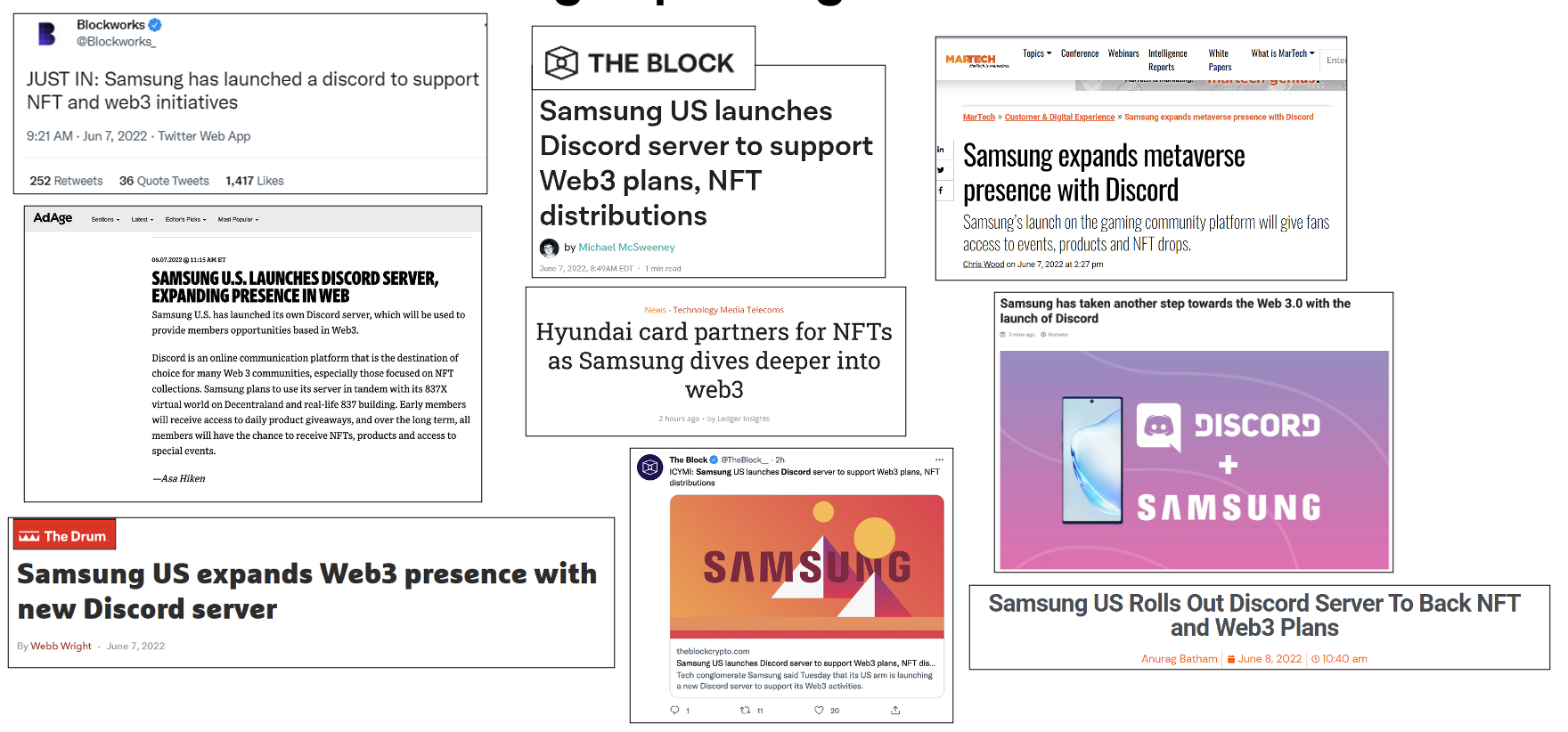
We launched the server on June 7, 2022 with no paid support and surpassed every KPI. In the first week, 188,565 fans joined, and press coverage focused on Samsung expanding into the metaverse.
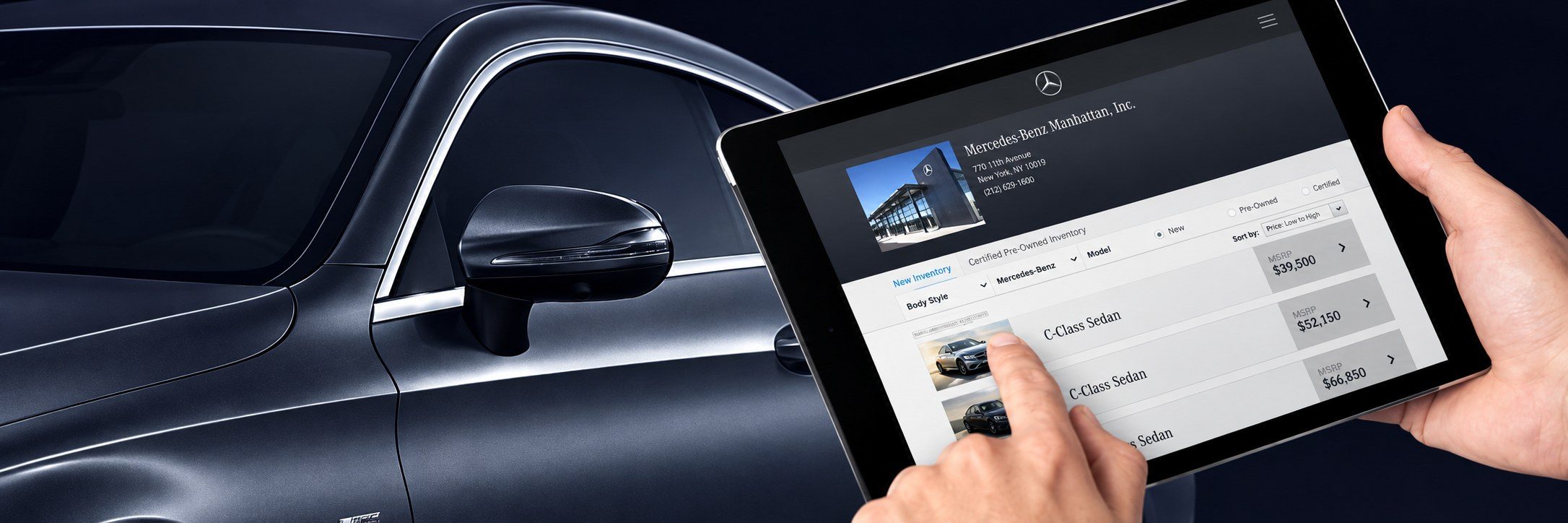
Connecting how people shop for a Mercedes-Benz online with what happens when they walk into the dealership.
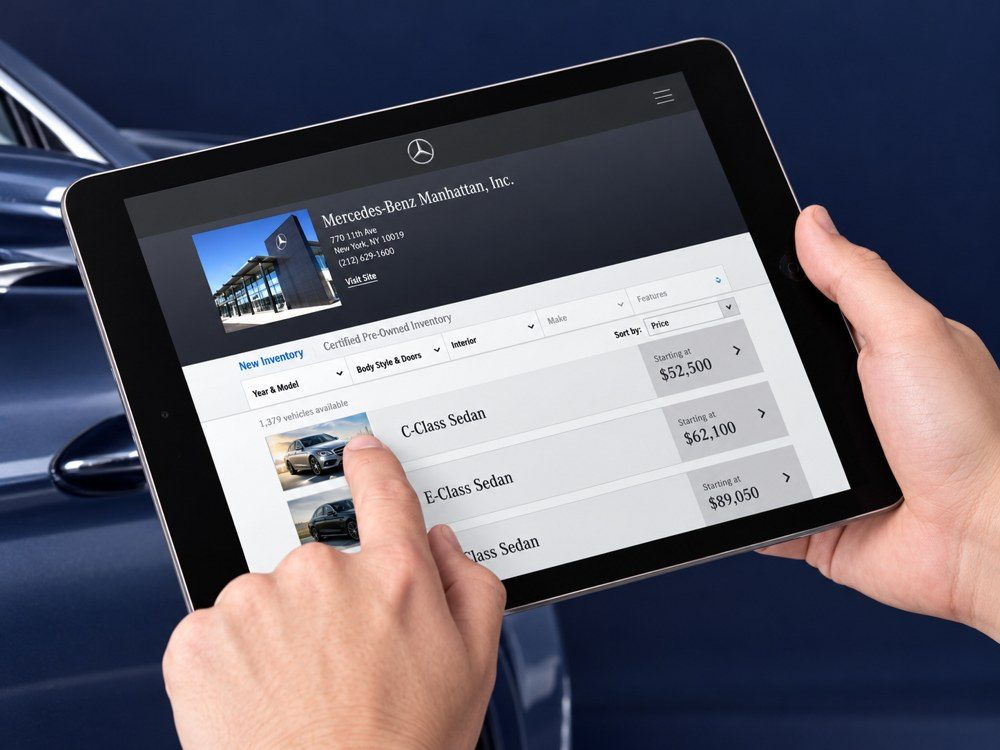
Online-to-Offline (OTO) was a multi-million-dollar Mercedes-Benz program that took the brand's digital experience into the showroom. We carried it from strategy and creative all the way through software development, across the website, mobile and large digital displays.
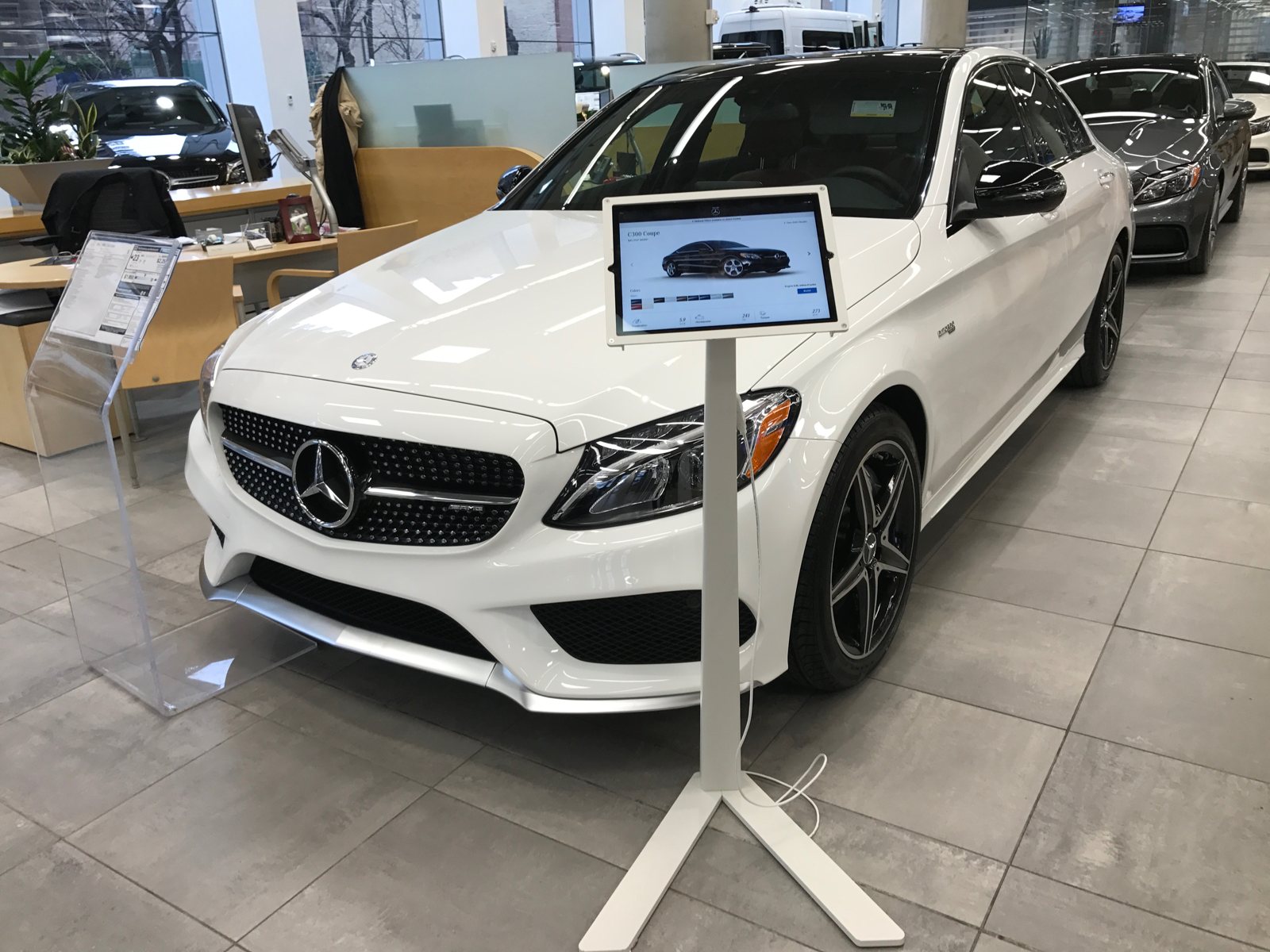
We launched and maintained the Showroom iPad App, used across Mercedes-Benz dealerships in the US and Canada and in the car delivery process. One app had two modes.
On a wheel stand next to a car, it created an immersive experience for that car, with easy access to its features. In dealer mode, salespeople got deeper product information for their conversations, plus shopper data from MBUSA.com, so they could pull up a customer's builds and preferences.
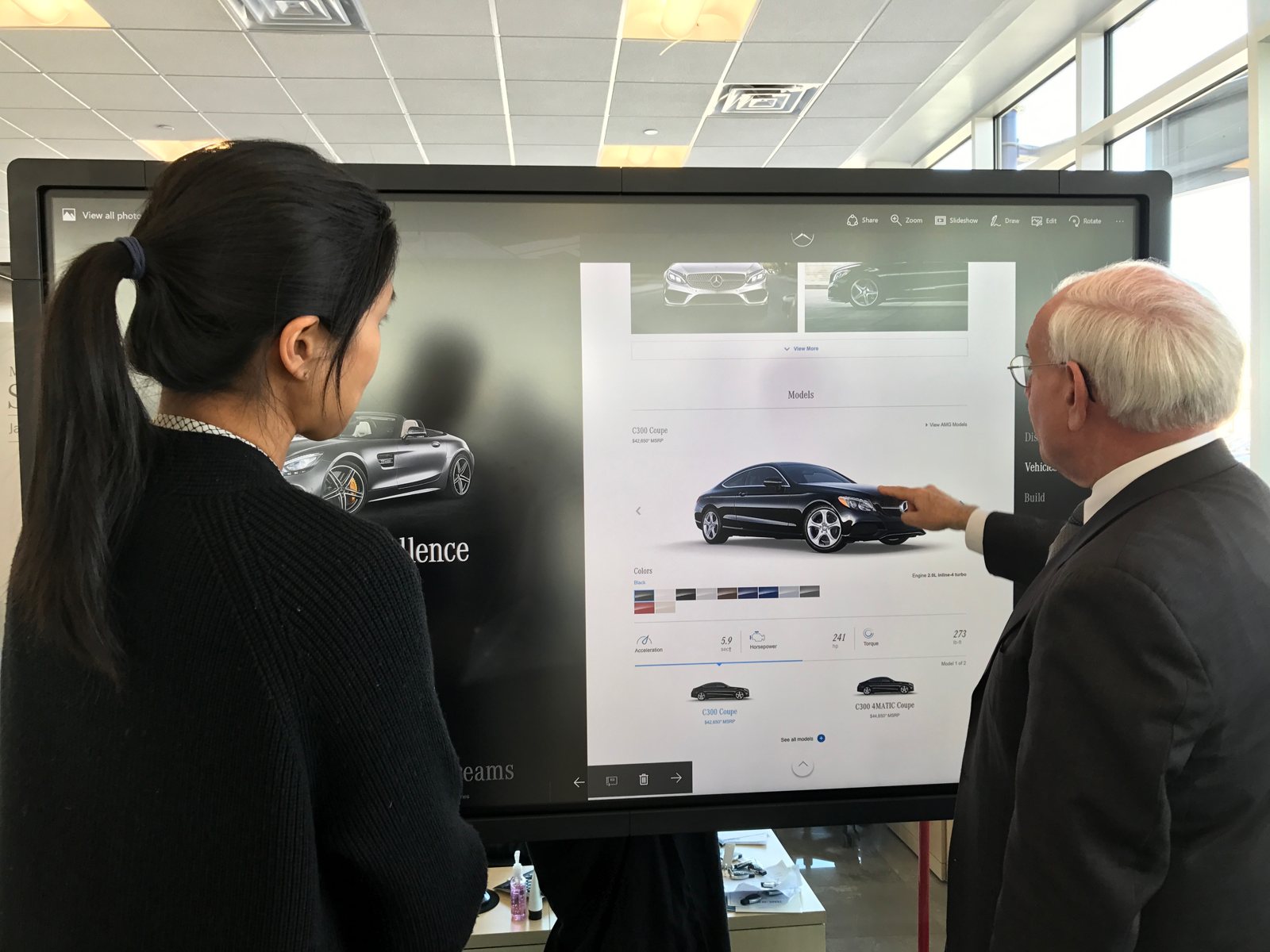
Inside the dealership, we created an immersive experience on 50- and 86-inch commercial-grade 4K touchscreens, built to stay reliable for years.
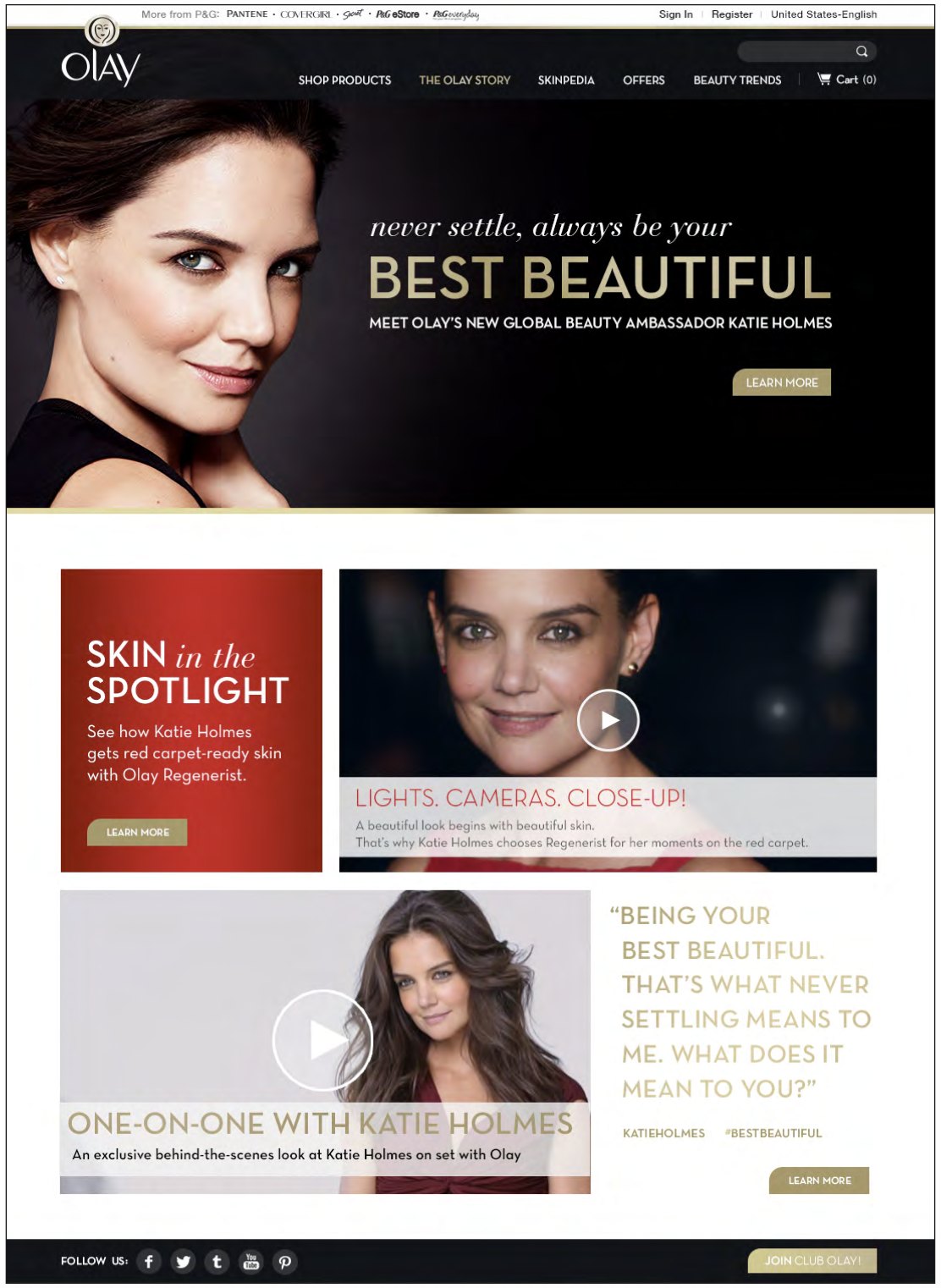
We handled everything across the OTO website pages, from strategy and creative to development.
I was the project manager and oversaw the whole program, along with the Mercedes-Benz Vans program. I worked with cross-disciplinary global teams of 25+ and closely with senior leadership.
During the pandemic, I helped set up the SAFe Agile framework for the Mercedes-Benz account. Day to day, I balanced scope, time, cost and risk to hit demanding deadlines as the project's needs changed.
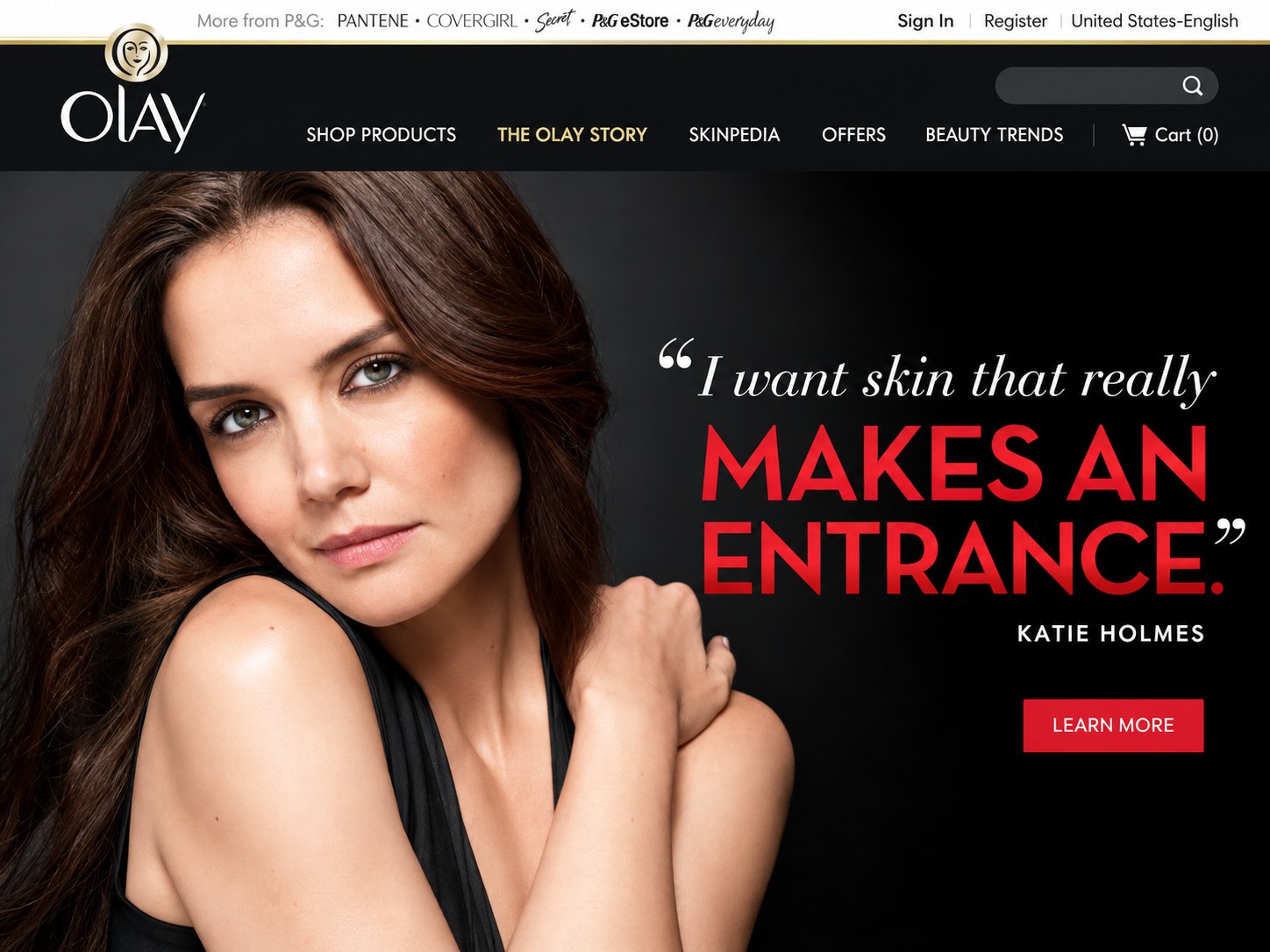
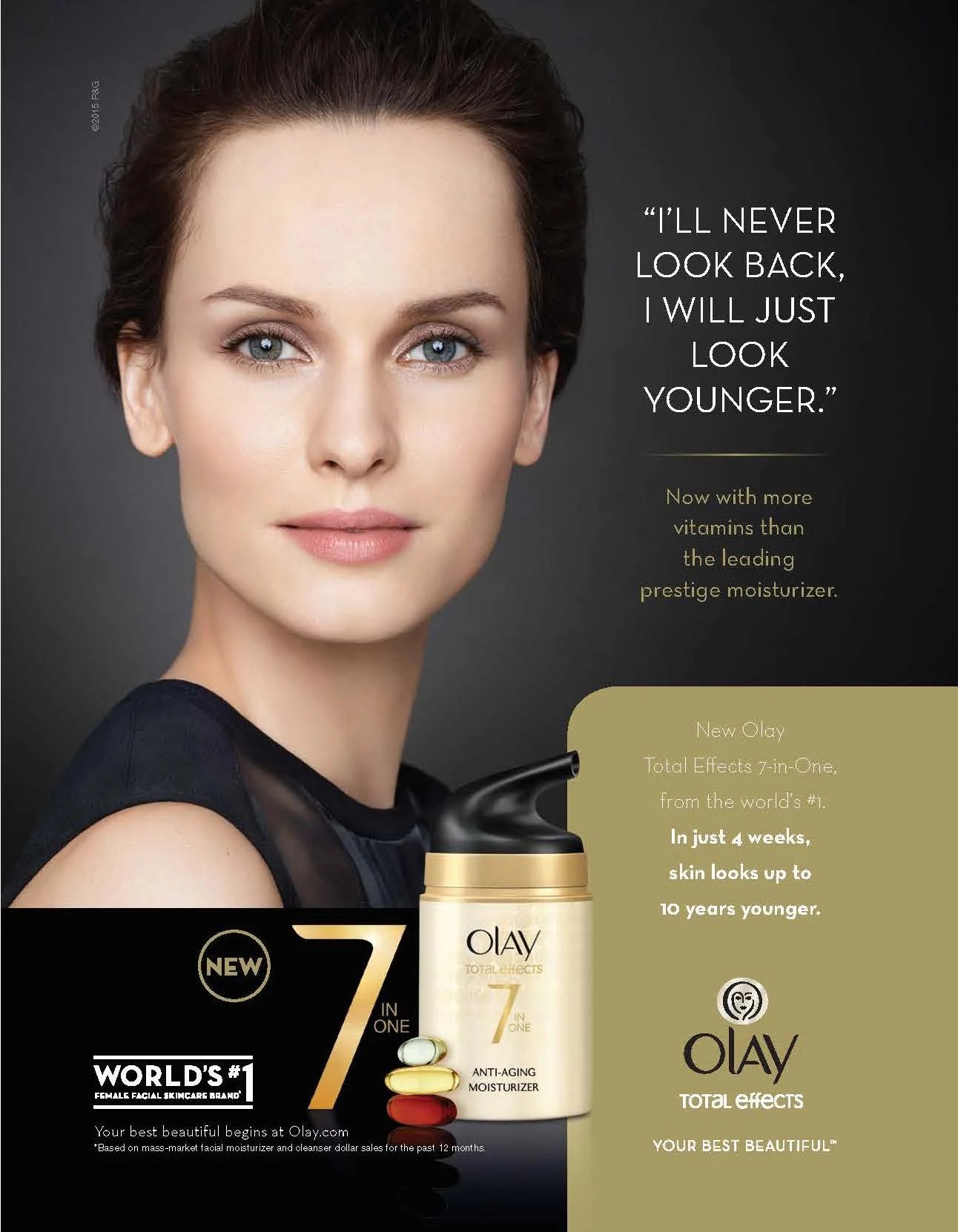
Three years on Olay, across the website, social, email, digital ads, print and TV.
I worked on many Olay campaigns, including Your Best Beautiful, a worldwide campaign, and the global rebranding of Olay.
My role covered all of the digital assets, including the website, emails, social and digital ads, as well as print and TV.
As the Integrated Producer, I created the timelines and made sure projects were completed on time while staying within scope.
I worked closely with our social media partners, including Facebook, YouTube and Google, to come up with the best strategy for the brand.
I also created the Olay social playbook, which every market around the world was required to use.
“I’ve been deaf since I was three, so I didn’t listen.”Derrick Coleman
Not playing? Watch it on YouTube
A Super Bowl spot about a deaf NFL player who was told “no” and didn’t listen.
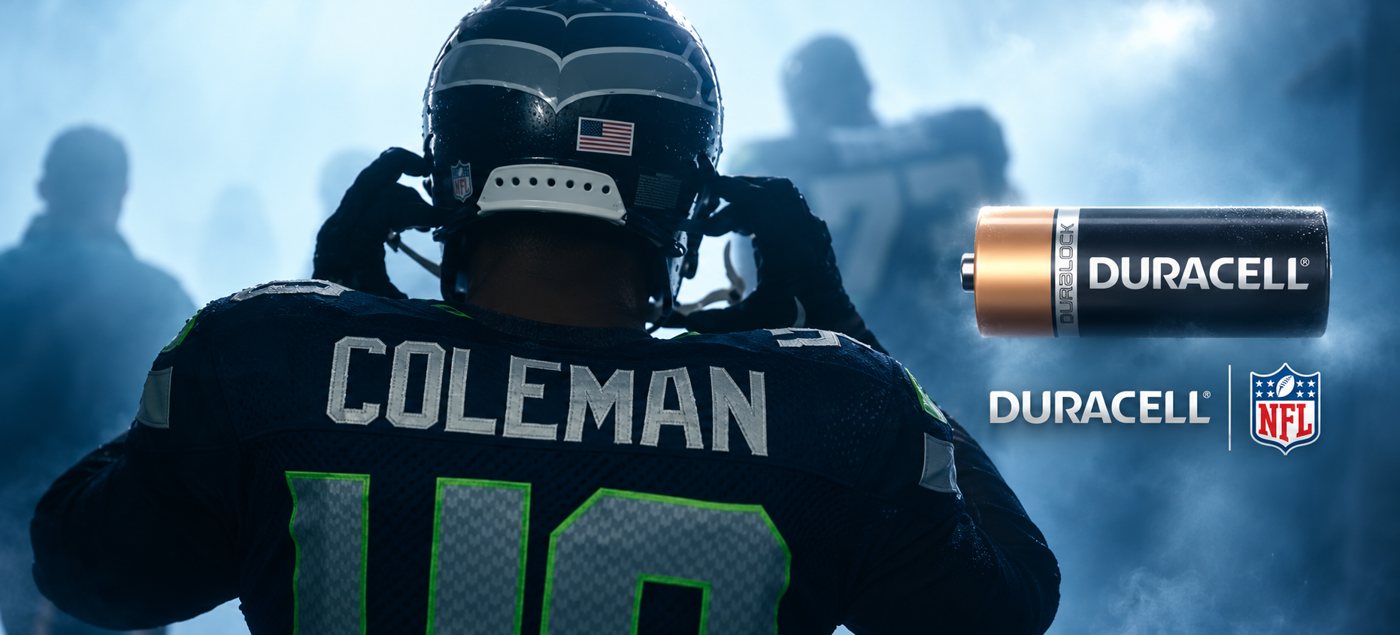
Seattle Seahawks’ Derrick Coleman has been deaf since he was three. People told him that would keep him out of the NFL. His answer: “I’ve been deaf since I was three, so I didn’t listen.”
That became the heart of Duracell’s Trust Your Power. When the world tells you “no”, you can roll over and quit, or you can trust your power. Derrick didn’t let adversity stand in his way, and the spot let him tell that in his own words.
I was the Integrated Producer, and I handled all of the digital assets around the spot.
The spot ran during the Super Bowl, and the Seahawks went on to win that game. It went viral online and won a Bronze Lion at Cannes.
One small ask: change one white light to green to show veterans you see them. Millions of people did.
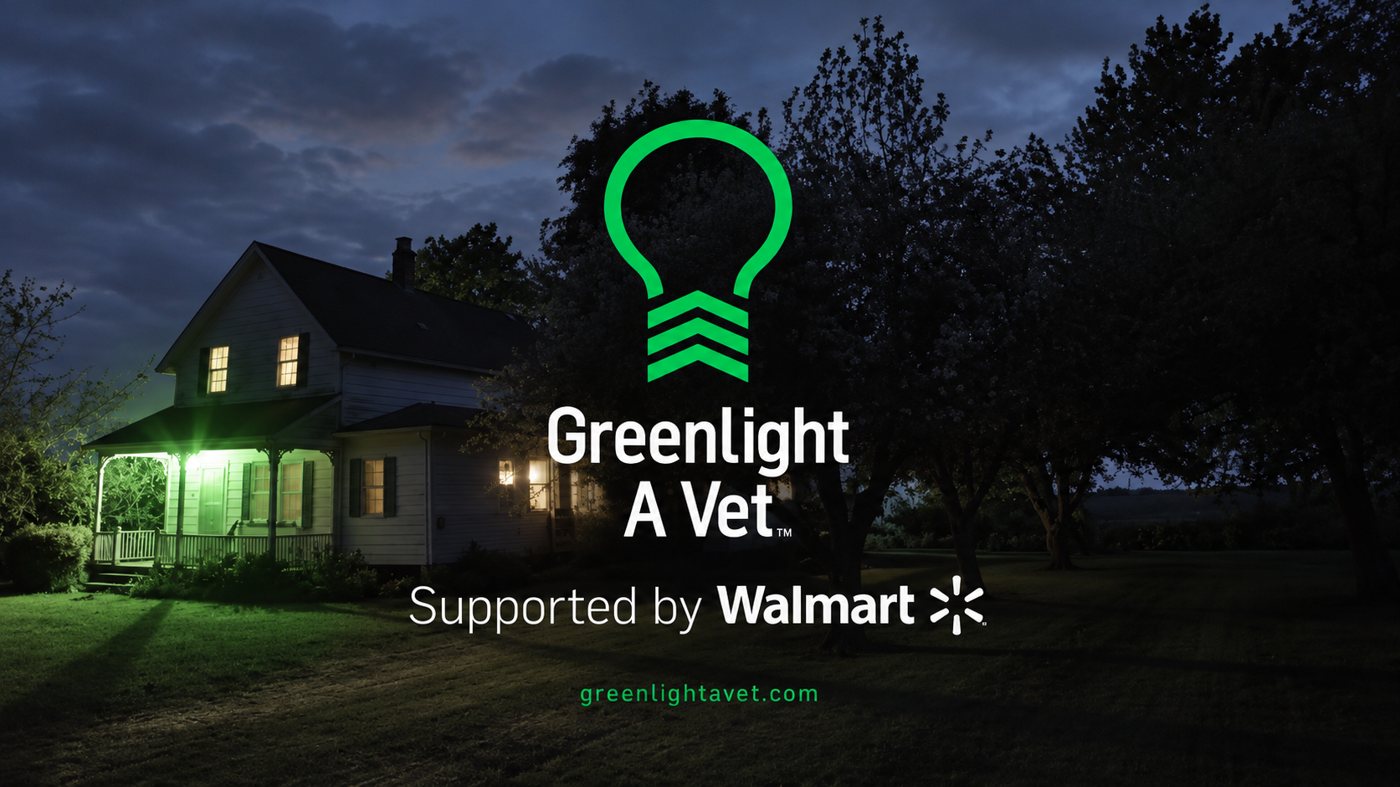
Most people want to show up for veterans, but they don't know what to actually do. So we gave them something small, visible and easy: swap one white outdoor light for a green one.
A green light says "I see you, and I'm grateful." It turns a front porch into a thank you that every neighbor can see.
We launched with a 60-second anthem spot during the World Series, right around Veterans Day, and a website where anyone could pledge their support.
We also made special green bulbs and sent 100 of them to influencers to get the first lights glowing.
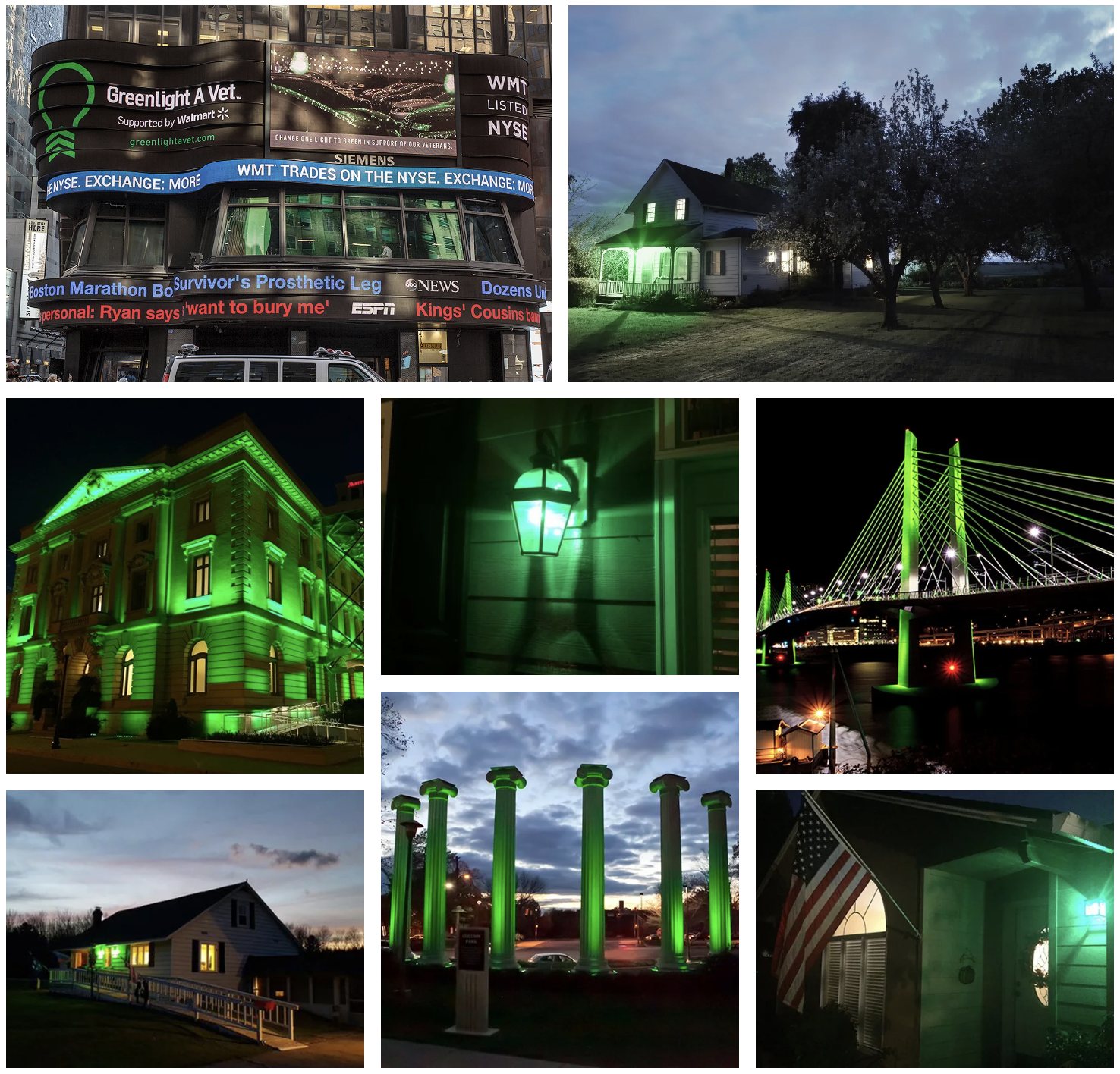
From there, people ran with it. Green lights showed up on front porches, city buildings, bridges and monuments across the country. It even made the ticker in Times Square, and some of Walmart's competitors joined in.
I was the Integrated Producer. I mostly handled the digital assets and the Veterans Day event, making sure everything people saw online and in person came together.
The event put real veterans and their stories front and center, with a green-lit space full of portraits and a live count of every act of support.
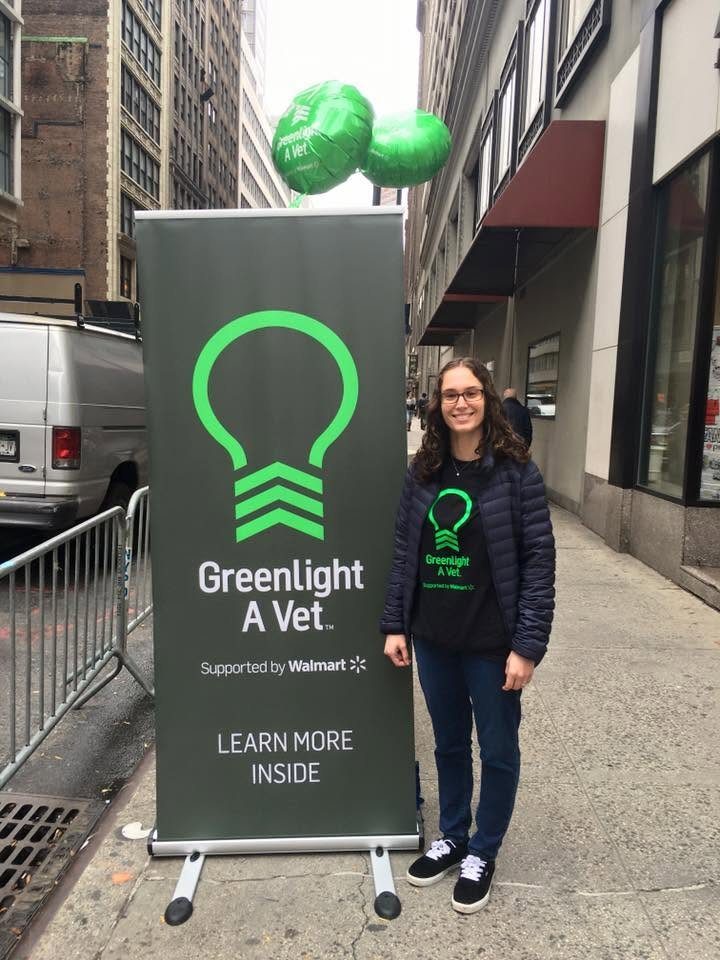
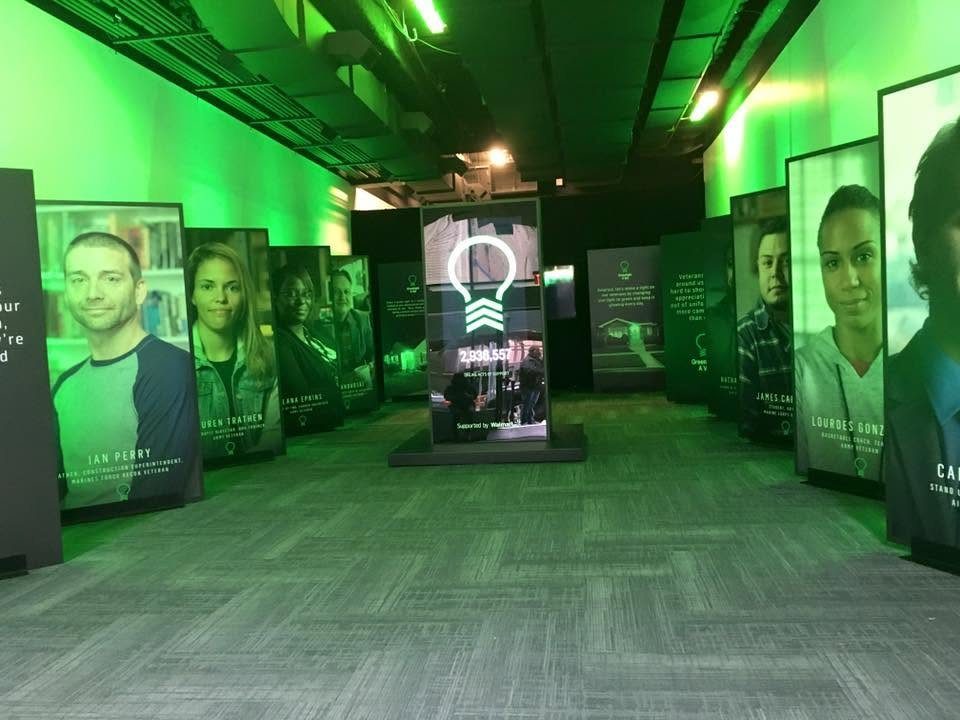
Green Light a Vet became the largest veteran support movement in U.S. history. It won an Effie for effectiveness and helped put Walmart in the top 10 favorite brands among millennials.
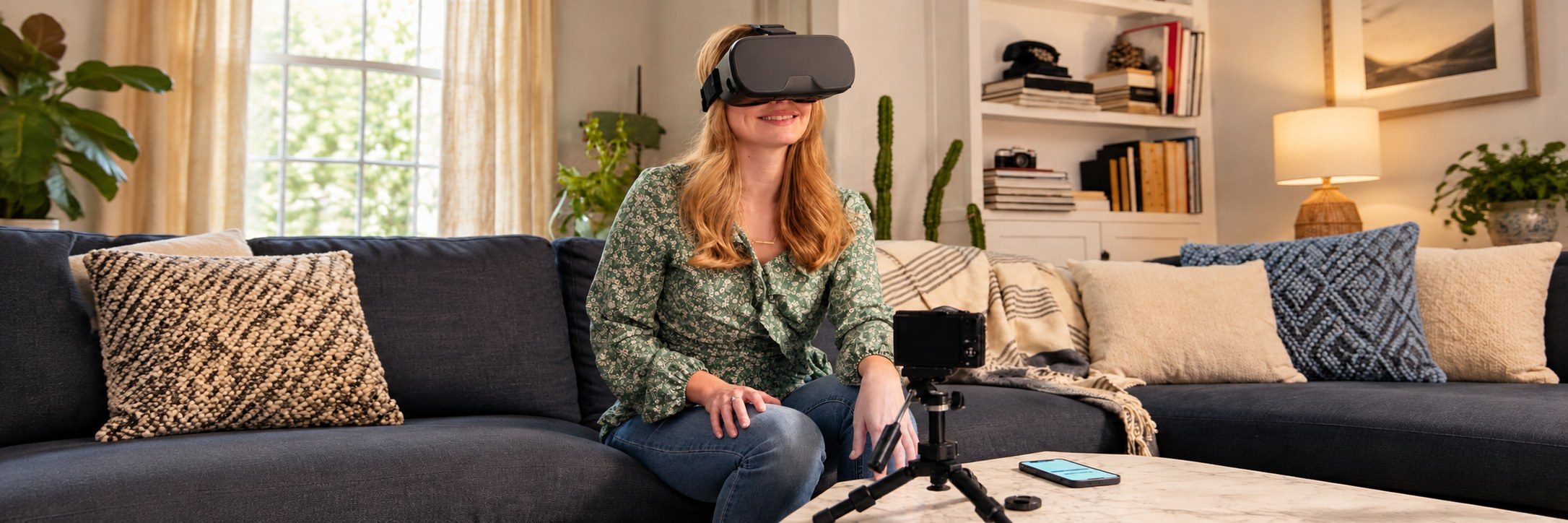
The Discord community for Kokomo by Canon, a VR app for meeting face to face in virtual spaces.
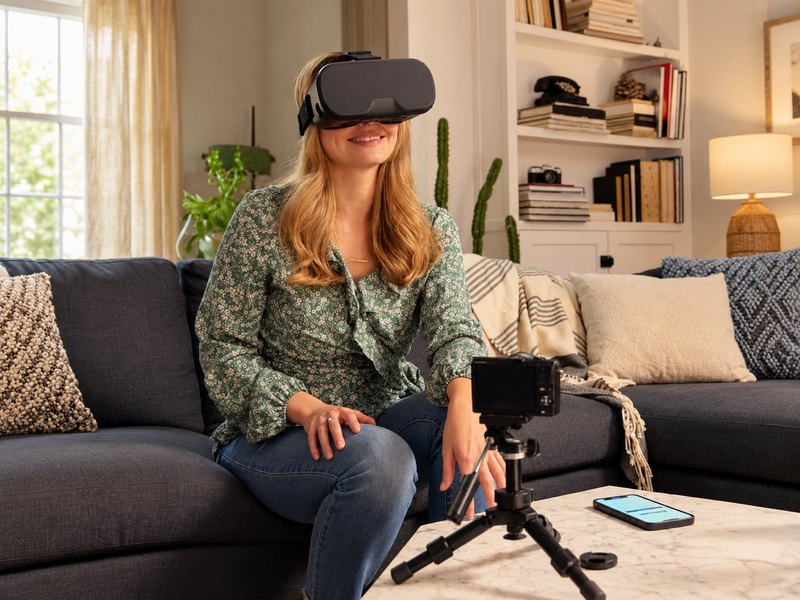
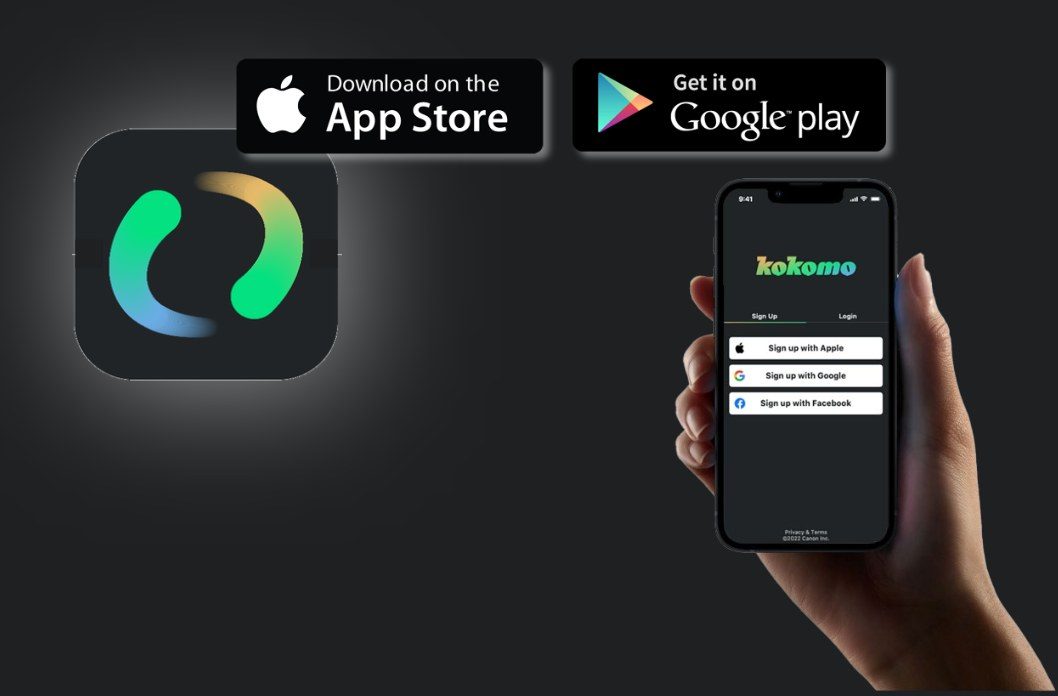
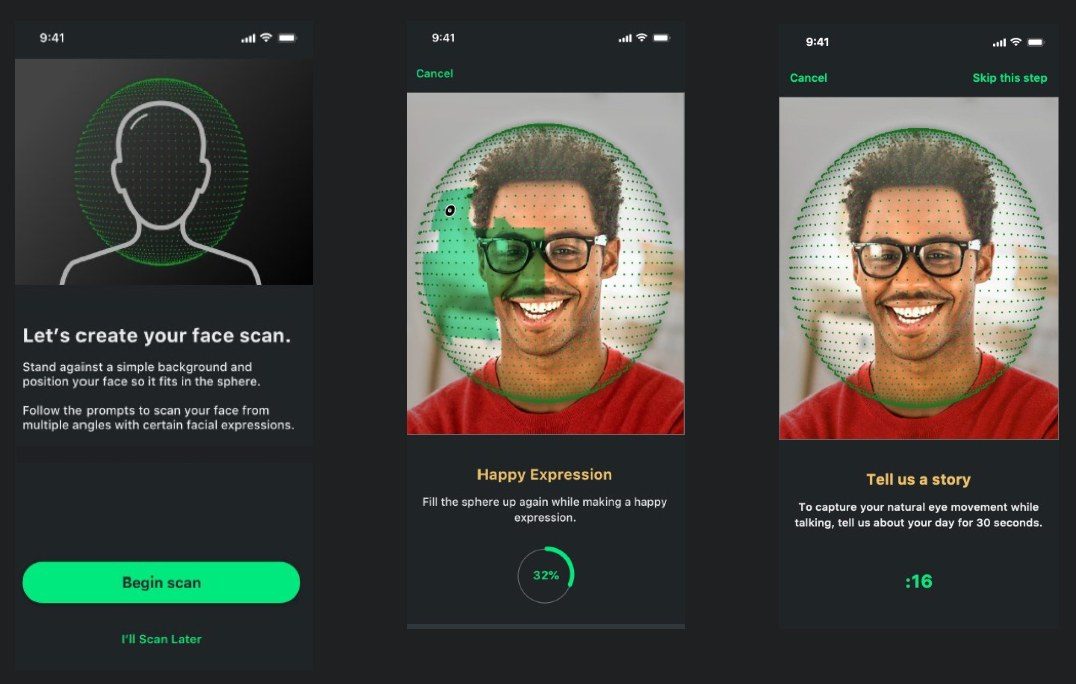
In Kokomo by Canon, you can meet virtually in person using the Meta Quest 2, in dynamic environments with lifelike detail. For the ultimate experience, you pair it with the Kokomo mobile app on the Apple App Store and Google Play Store to see and hear each other, as if you're really there.
The Canon Discord was built to support the Kokomo app and its community of early testers.
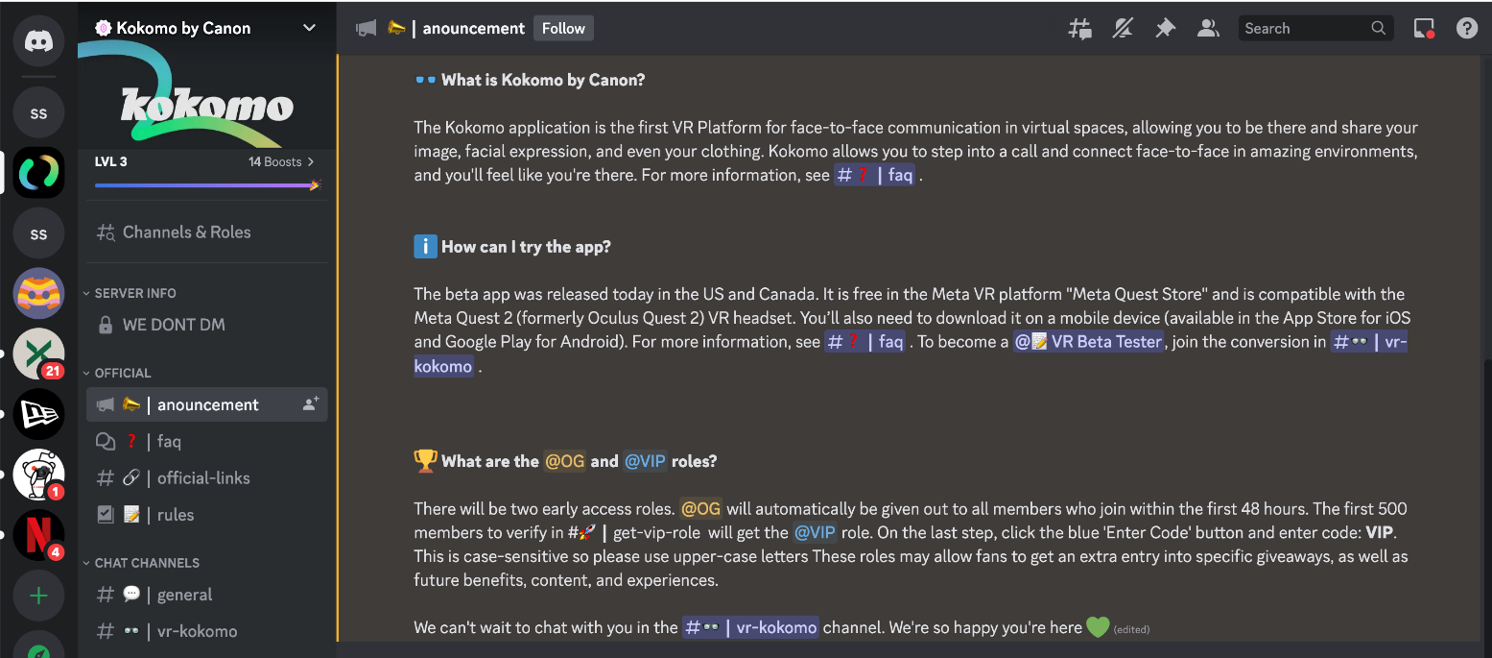
I was the Discord manager. I built the server and came up with the Discord strategy, the content and the editorial calendar.
I trained and oversaw the 24/7 moderators who kept the community running, and I created an in-depth Discord playbook.
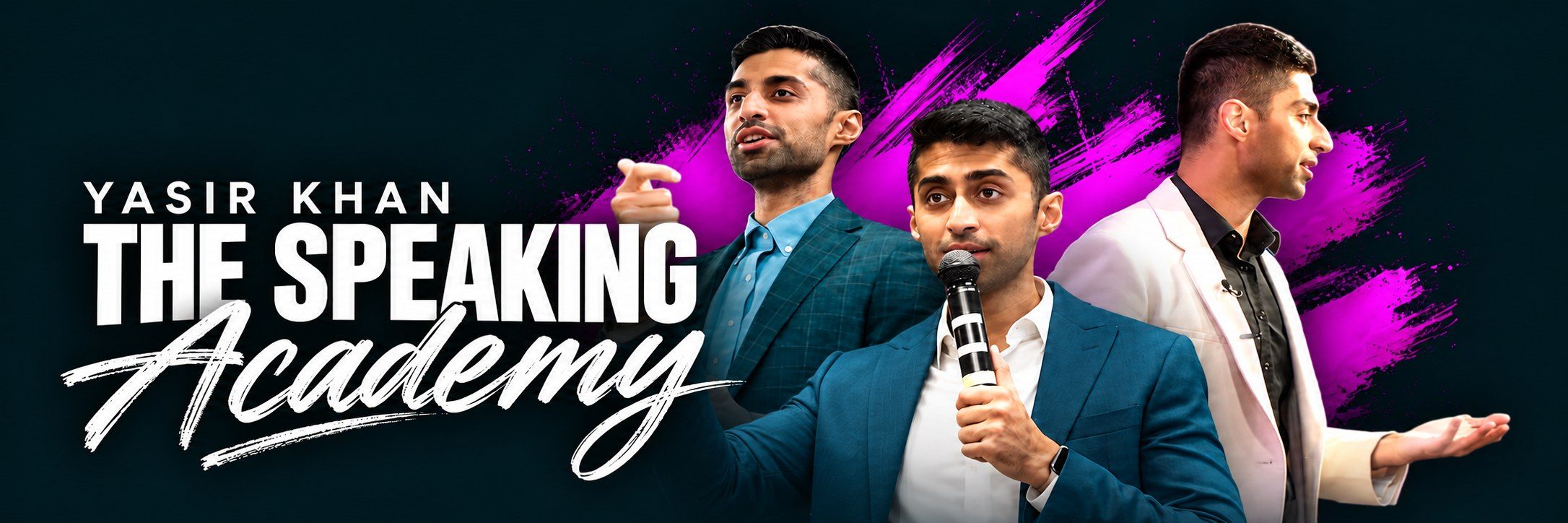
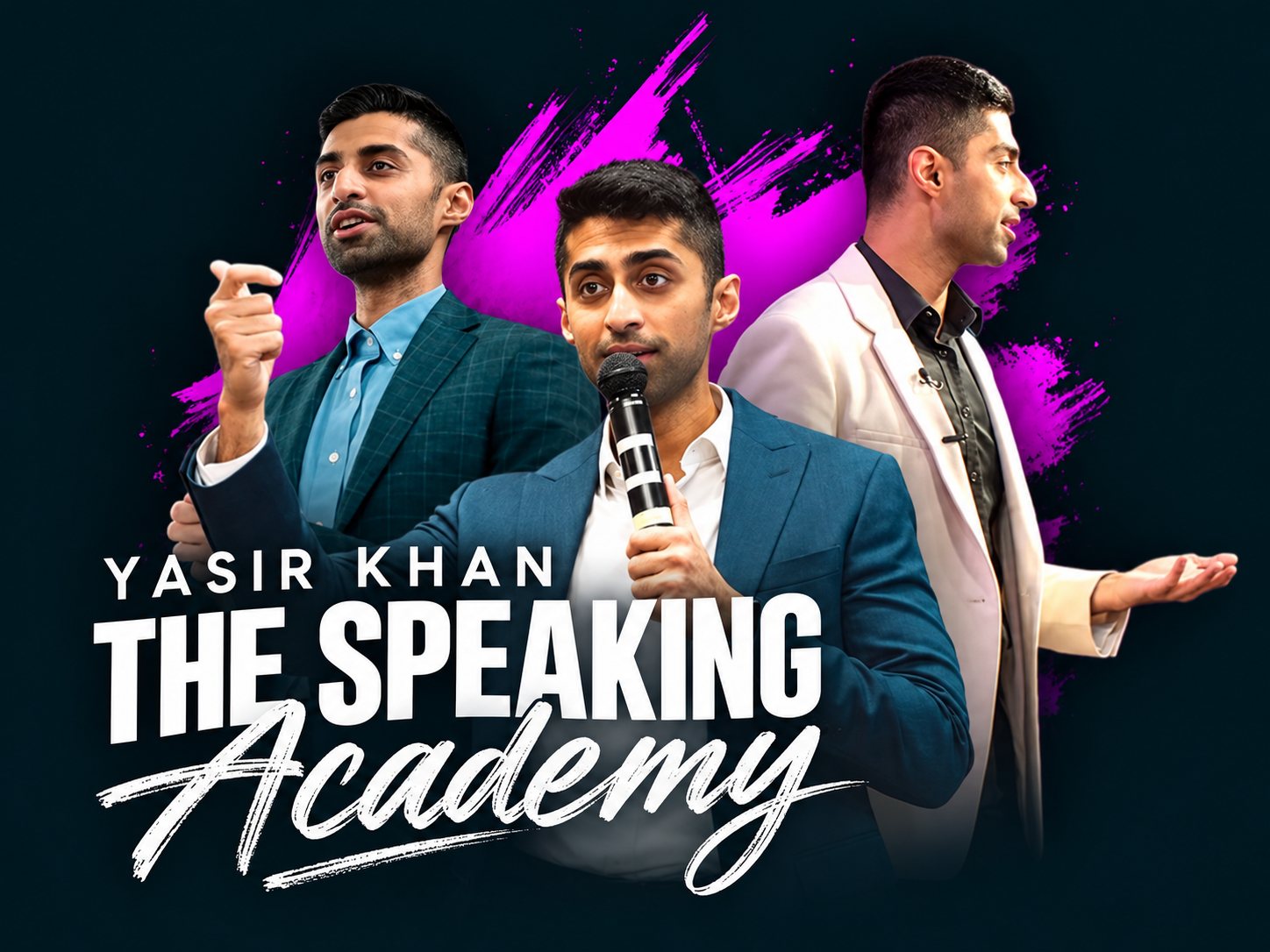
Yasir Khan's public-speaking community, the #1 largest in the world.
Yasir Khan is the world's #1 most followed CEO speech coach, with 5 million social followers and more than 50,000 leaders trained.
The Speaking Academy was his community for people who want to become better public speakers. It was the #1 largest public-speaking community in the world.
Members got weekly speaking sessions with Yasir, a weekly Q&A call, public speaking training and assignments, and weekly guest speaker calls.
Members learned directly from some of the biggest names in speaking, storytelling and leadership.
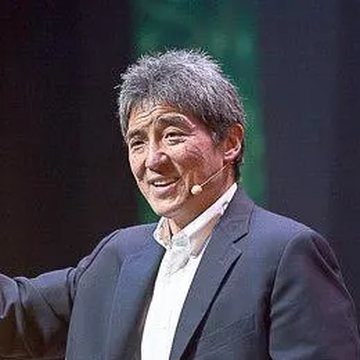 Guy KawasakiChief Evangelist of Canva
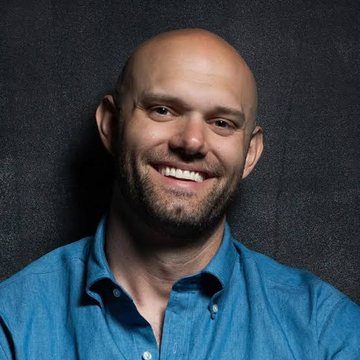 James ClearAuthor of Atomic Habits
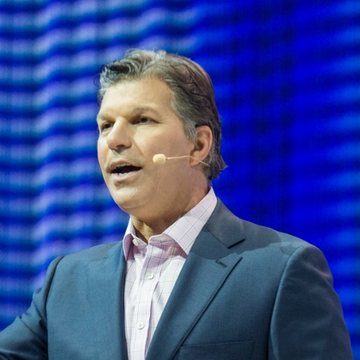 Carmine GalloAuthor of Talk Like TED and Public Speaking Instructor at Harvard
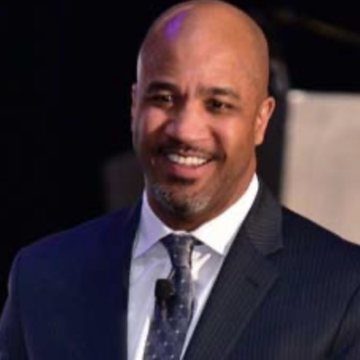 Craig ValentineWorld Champion of Public Speaking
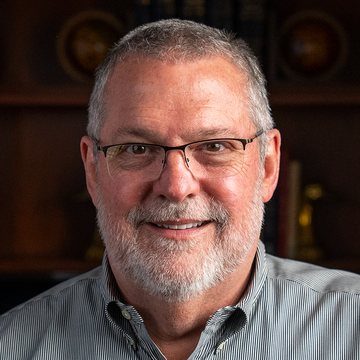 Chris WilliamsVP at Microsoft
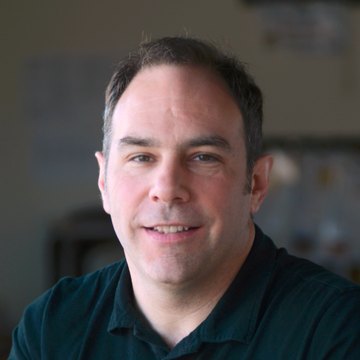 Matthew DicksAuthor of Storyworthy
I helped run the community as its Community Manager. I set up the Circle community and helped shape the strategy for how it should be run for the best member experience. The goal was a space where anyone, at any level, could build connections and practice public speaking.
When I was 11, I came across a brand-new complete Element skateboard at a flea market for $20. It was such a steal that I didn't think twice about buying it, and I'm so glad I did. That single decision changed the course of my life. For the next 12 years, you could find me skating around Jersey or NYC nearly every day.
Looking back, skateboarding had a huge impact on who I am today. A lot of my biggest life lessons came from that piece of wood on 4 wheels.
Some tricks could take months to nail, and the process was brutal. You fall, you get up, you figure out what went wrong, and you try again. Then you go to a new spot and everything changes. The ground is rougher, the ledge is higher, maybe you're on a new board, and the trick you landed yesterday suddenly feels brand new. I think that's why change has never scared me. I've had very different roles in my career, and each one meant learning something completely new.
Growing up in a skatepark also meant that I was the only girl, so I got used to standing out pretty early. Being different didn't hold me back. If anything, it taught me how to use it to my advantage. Independence was a big one skating taught me too. While my friends spent the weekends at the mall and movies, I was flying across the country for the X Games, going on skate tours or skating NYC with the 5boro crew. My life was definitely different, but all in the best ways.
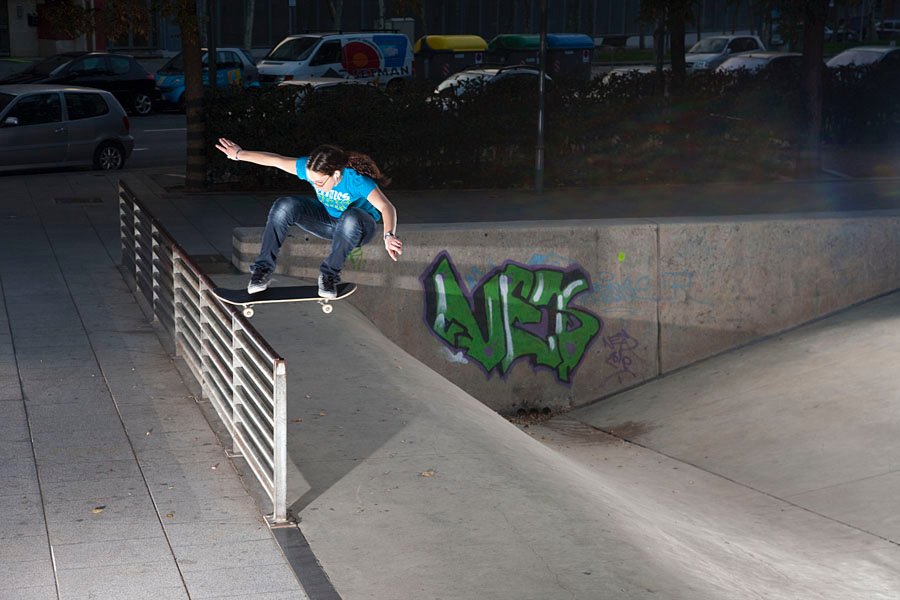
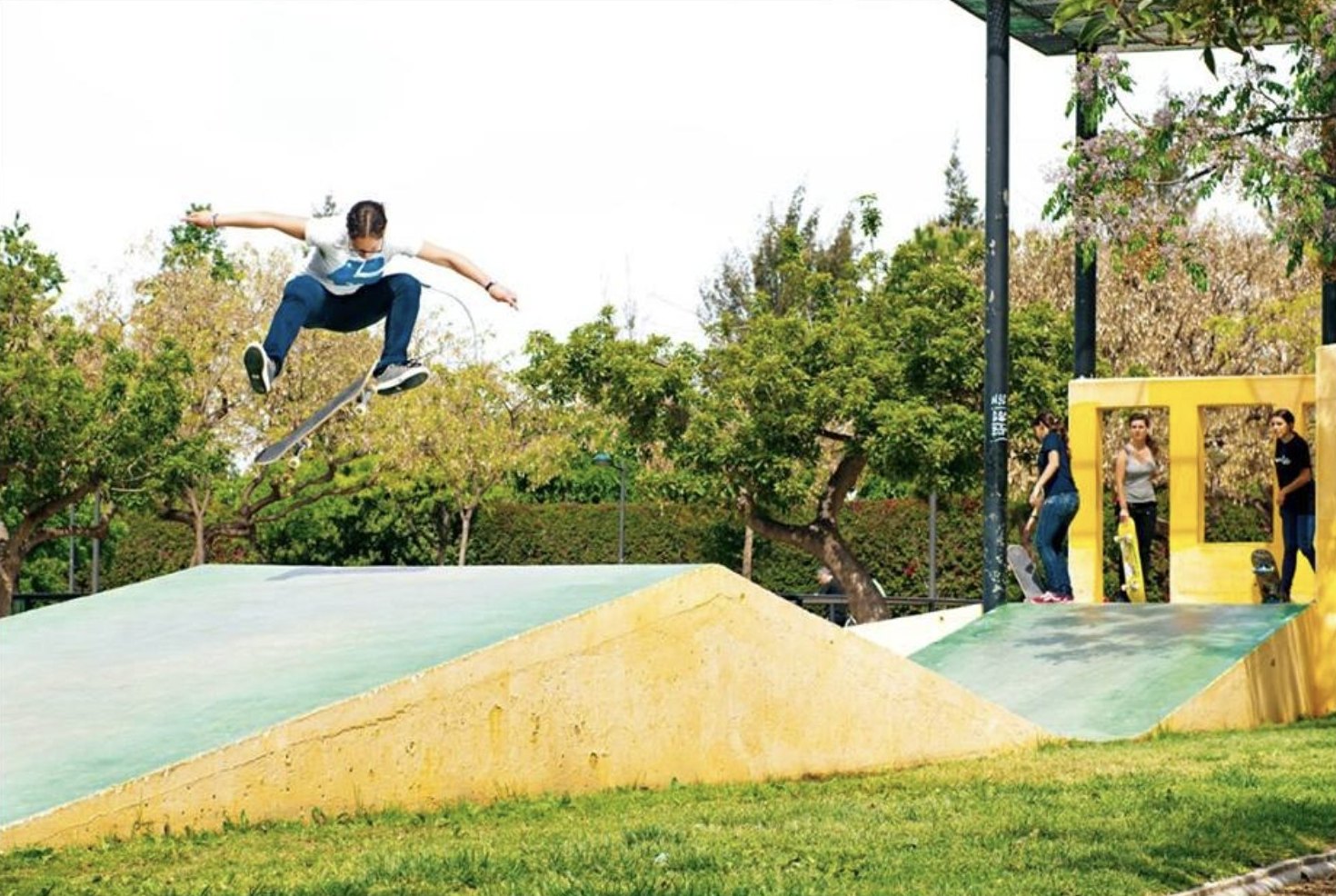
I got my first sponsor at 15, and two years later I got my first invite to the X Games. Back then, skateboarding wasn't in the Olympics and Street League didn't allow women, so the X Games was as big as it got. That year, World Cup Skateboarding ranked me #7 in the world in women's street skateboarding.
I competed in the Dew Tour, Maloof Money Cup, GVR, Masa PRO and Supergirl, and I even won Tony Hawk's MTV contest, live on TRL.
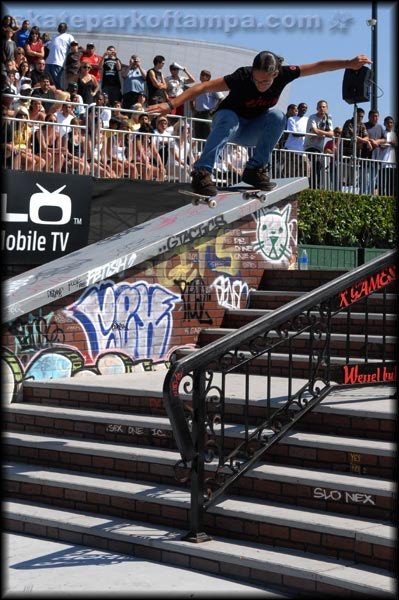
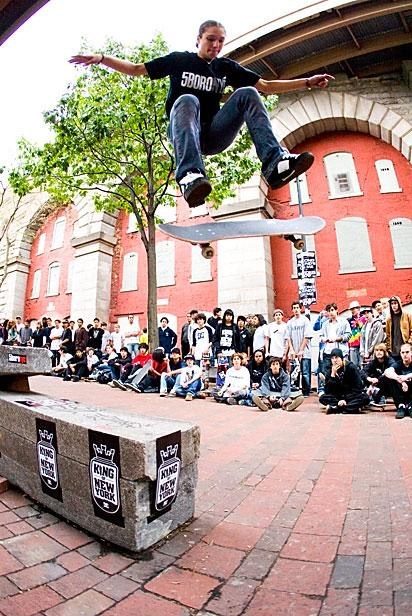
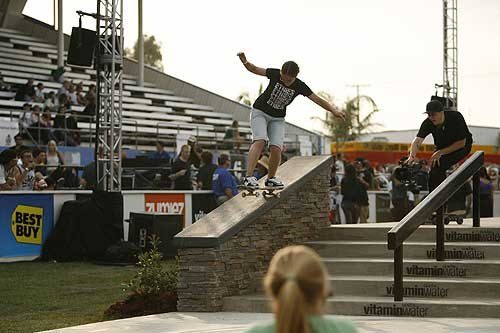
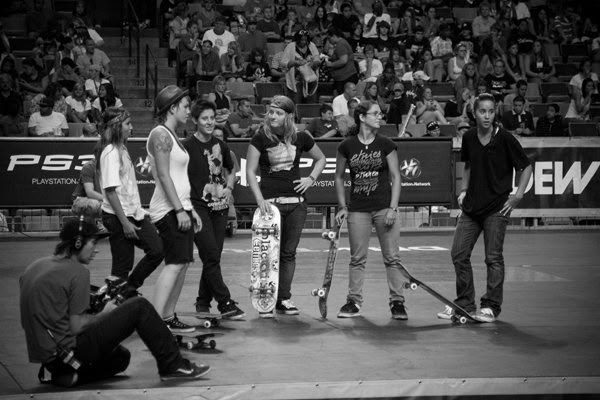
I skated in the first-ever NFL Women's Apparel commercial. MTV aired two episodes with me: the live TRL skate contest I won, and a follow-up where Tony Hawk gave me a tour of his skate warehouse. I also skated in two New York Fashion Week shows, for Diesel and Sephora.
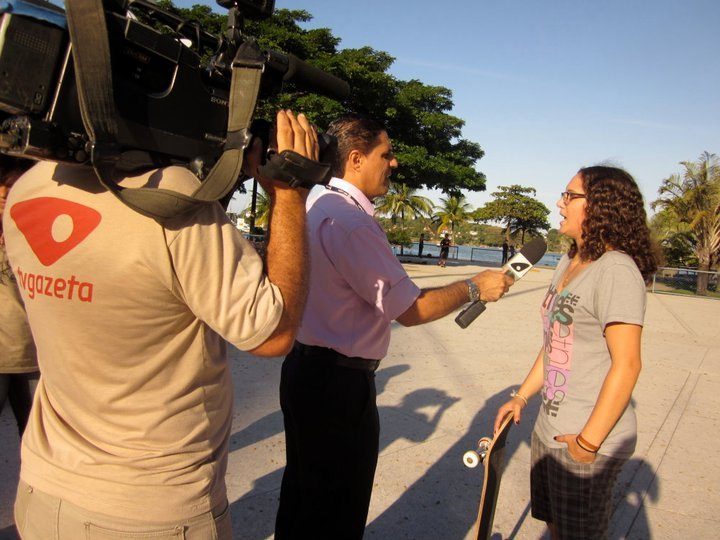
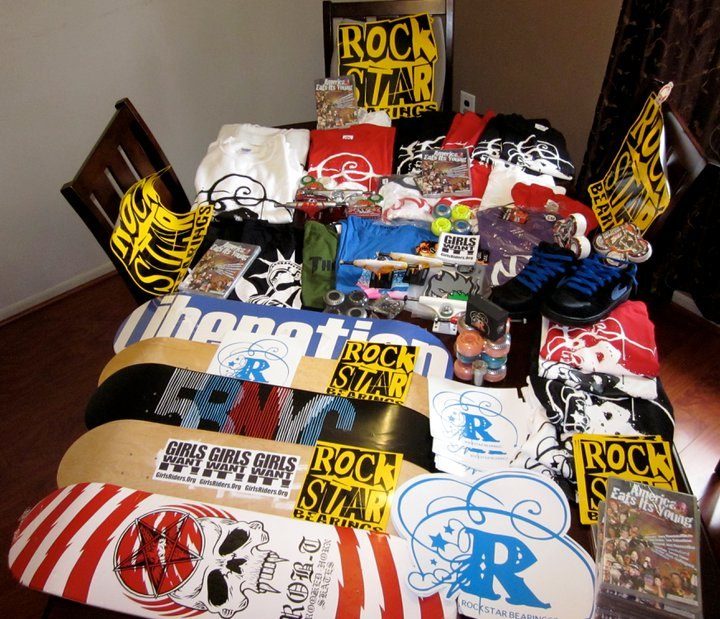
I taught three TV reporters how to skate on live TV, from ABC News and two Brazilian news stations. The ABC News segment ended up playing on every taxi cab screen in NYC. I was also in the Rockstar Bearings skate video, and featured in Skateboard Magazine, Focus Mag, Red Bull Times, Dogway Magazine and a few newspaper articles.
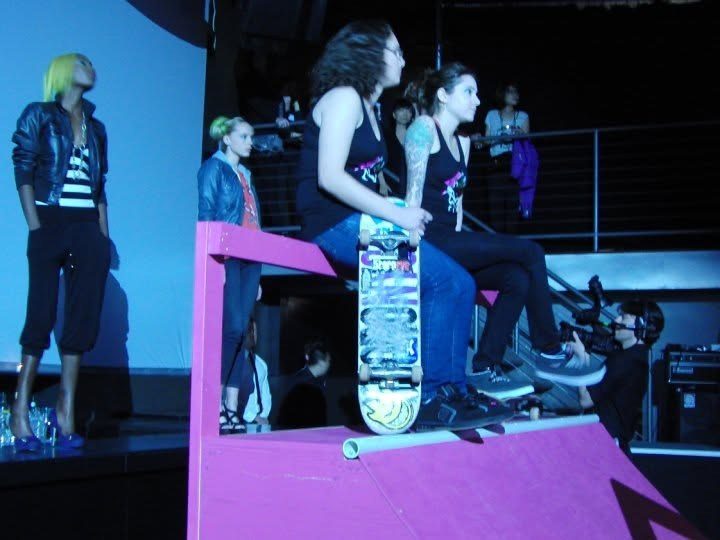
I had a few sponsors. I was AM for Etnies and Rockstar Bearings, and flow for Red Bull, 5boro Skateboards, Spitfire Wheels and NJ Skateshop. That basically meant I got a lot of free stuff, since women skateboarders weren't really paid back then. But I did have an entire wall of Red Bull cases in my room, since they sent me 200 cans every month!
It's funny thinking about the nuance of what being pro really meant. If you had asked a "true" skater back then, they'd say having your name on a board or shoe from a top brand. I had neither. Actually, only one or two women did at the time. In today's world, if you're globally the 7th best in any sport while competing at the highest level, I would say that's pro enough.
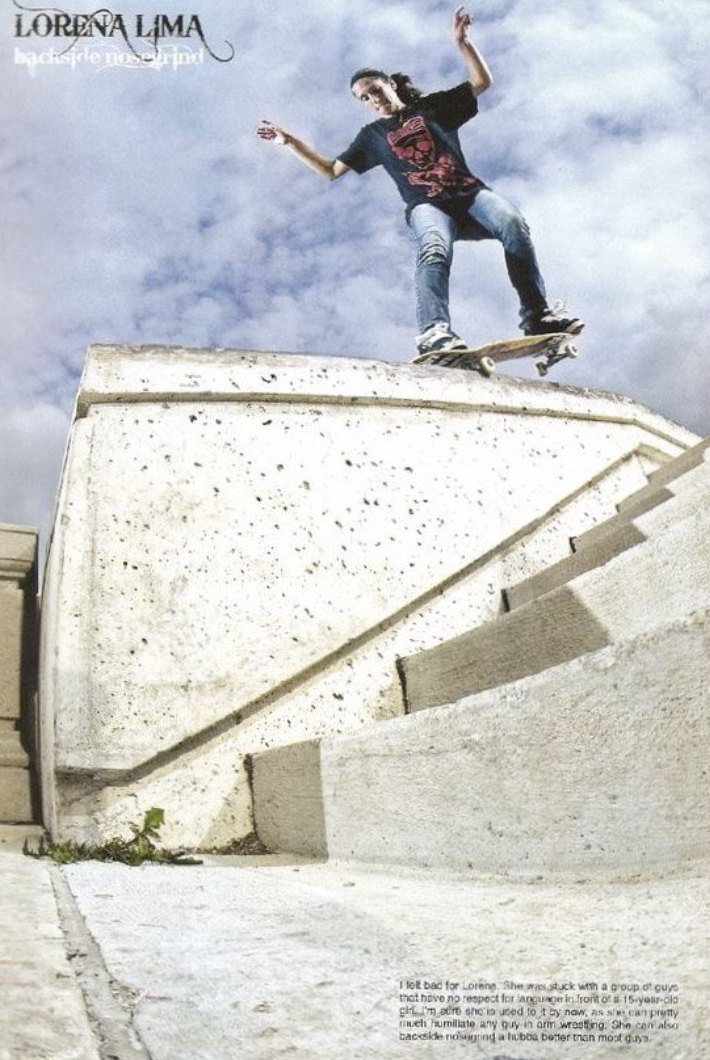
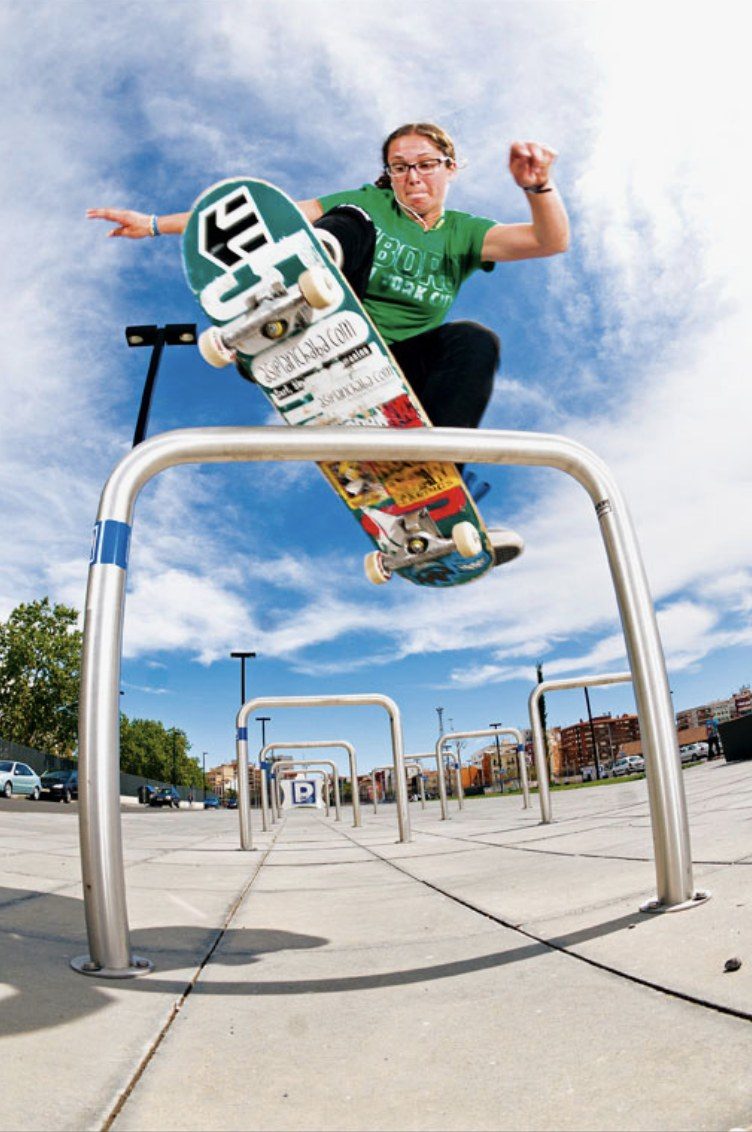
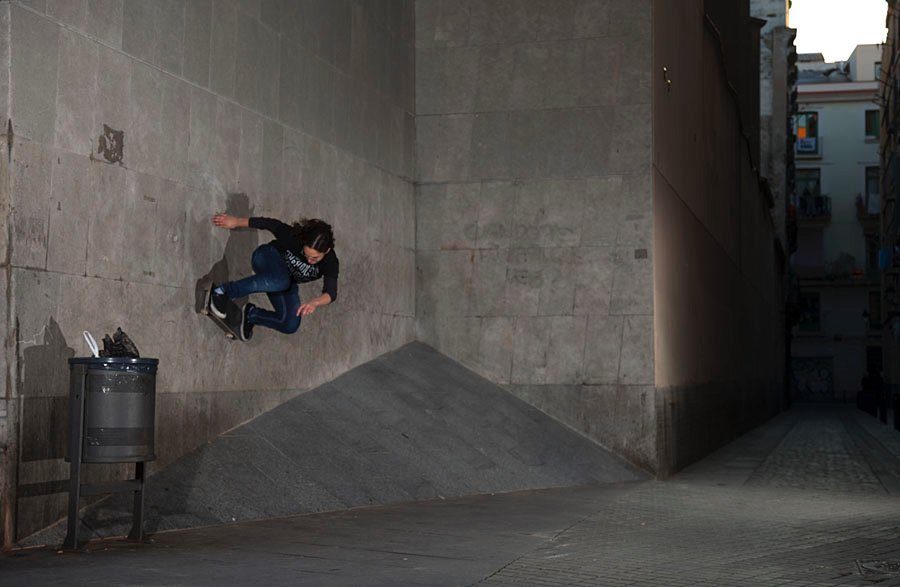
In college, I helped run Uptown Skate School and eventually became part owner. I taught all ages, from 3 years old up to 70! It was the perfect job while juggling coursework.
One day, our founder got a call that Lil Wayne wanted to learn how to skate, so our instructor went on multiple global tours with him.
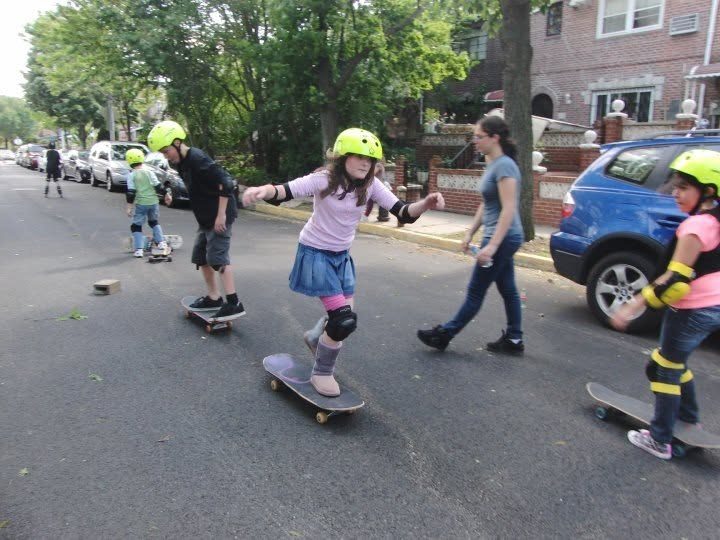
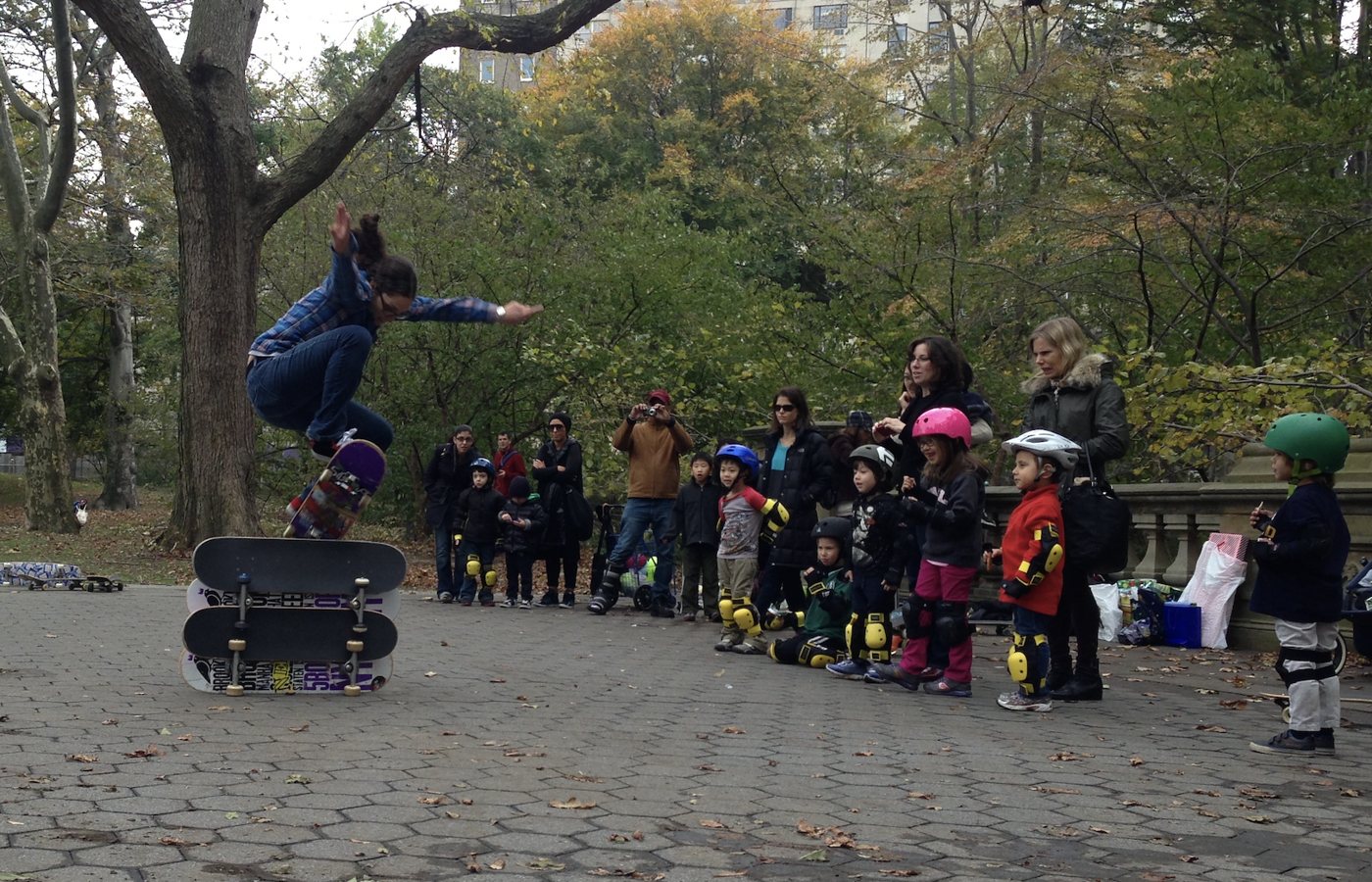
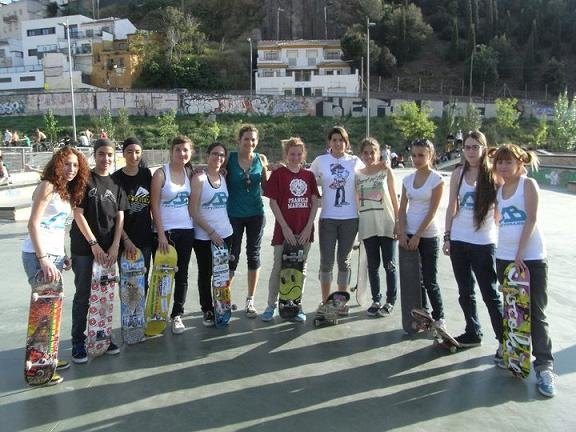
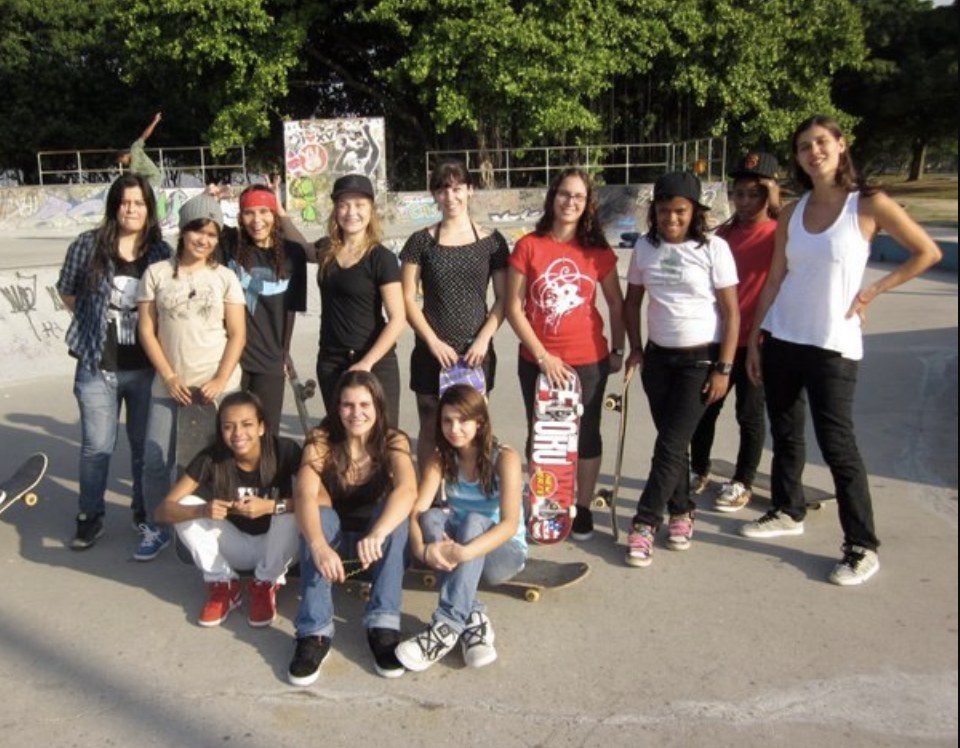
Skateboarding gave me so much, so giving back was important to me. I went on skate tours and hosted free skate clinics in the US, Spain, Brazil and Argentina, and gave away hundreds of skateboard products. A big part of those clinics was getting more girls on a board and helping communities in need.
I'll never forget going back to Brazil for my second skate clinic and giveaway. A skateboard I gave away on my first trip had been handed down through the community for 5 years. By then it was basically a stick, and it reminded me why I do this in the first place.
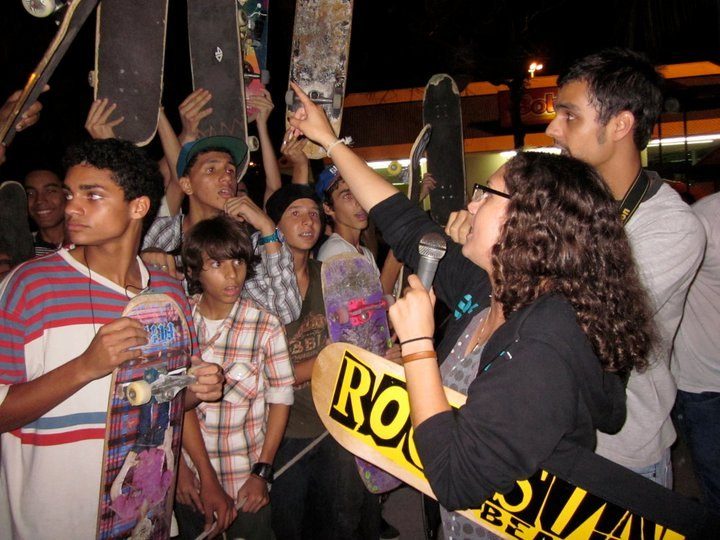
By 23, I was forced to stop. Even though I loved skateboarding, it was taking a toll on my body. I never fully recovered from knee surgery (even to this day), the last bone in my spine was pushed in 50%, and any time I fell forward, my elbow would dislocate. That was also the year I graduated college, so it ended up being the right time to transition into my next chapter in marketing.
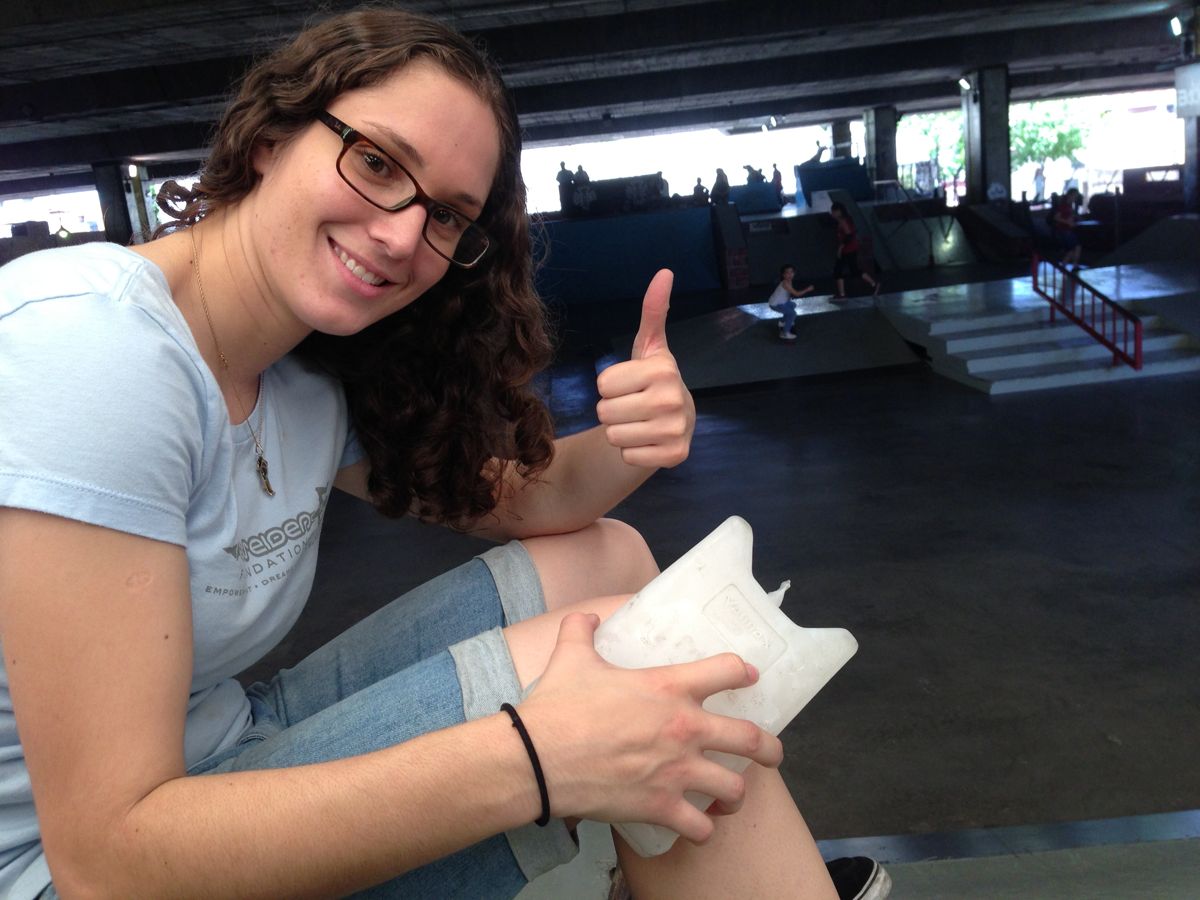
Say hi.
I speak about how AI is changing the way we create and work.
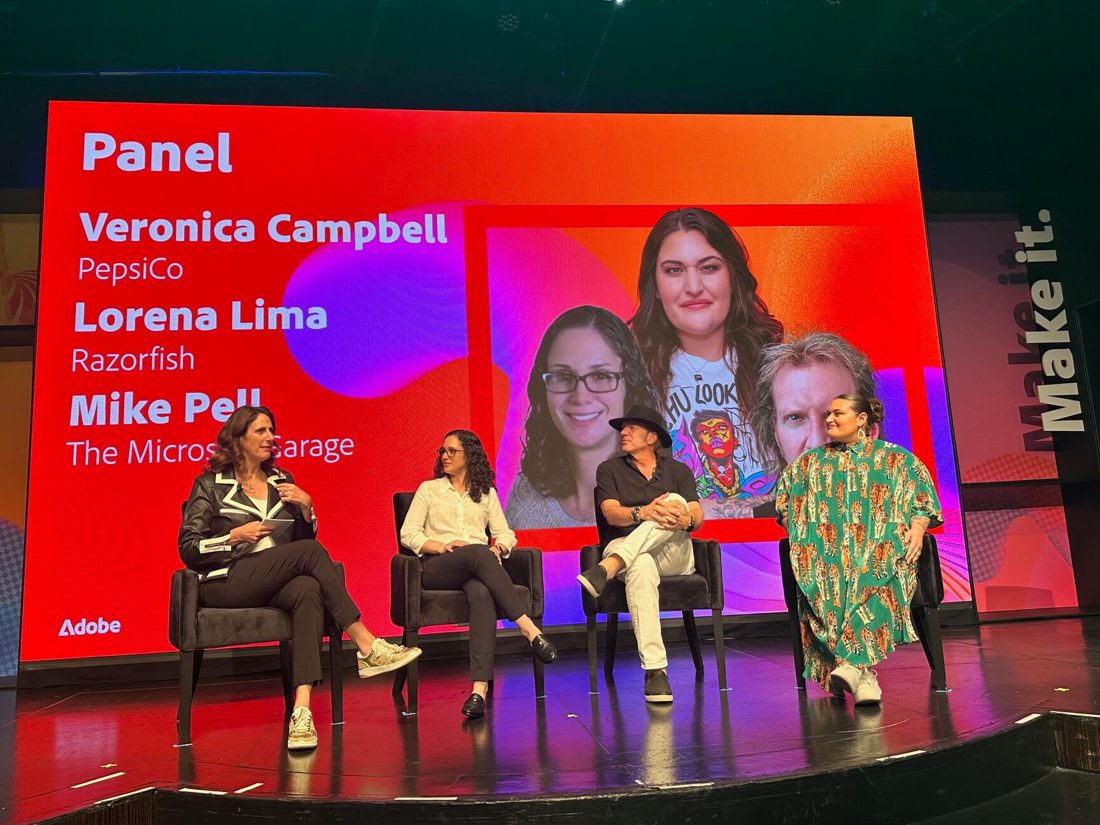
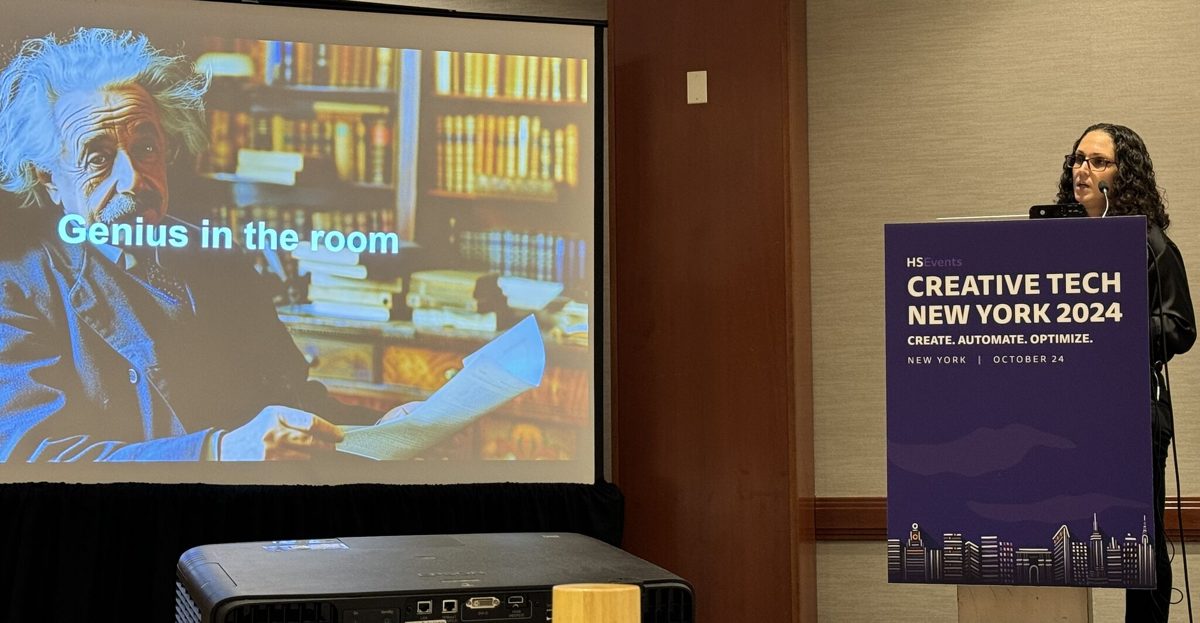
I previously helped run Yasir Khan's The Speaking Academy. It was the #1 largest public-speaking community in the world.
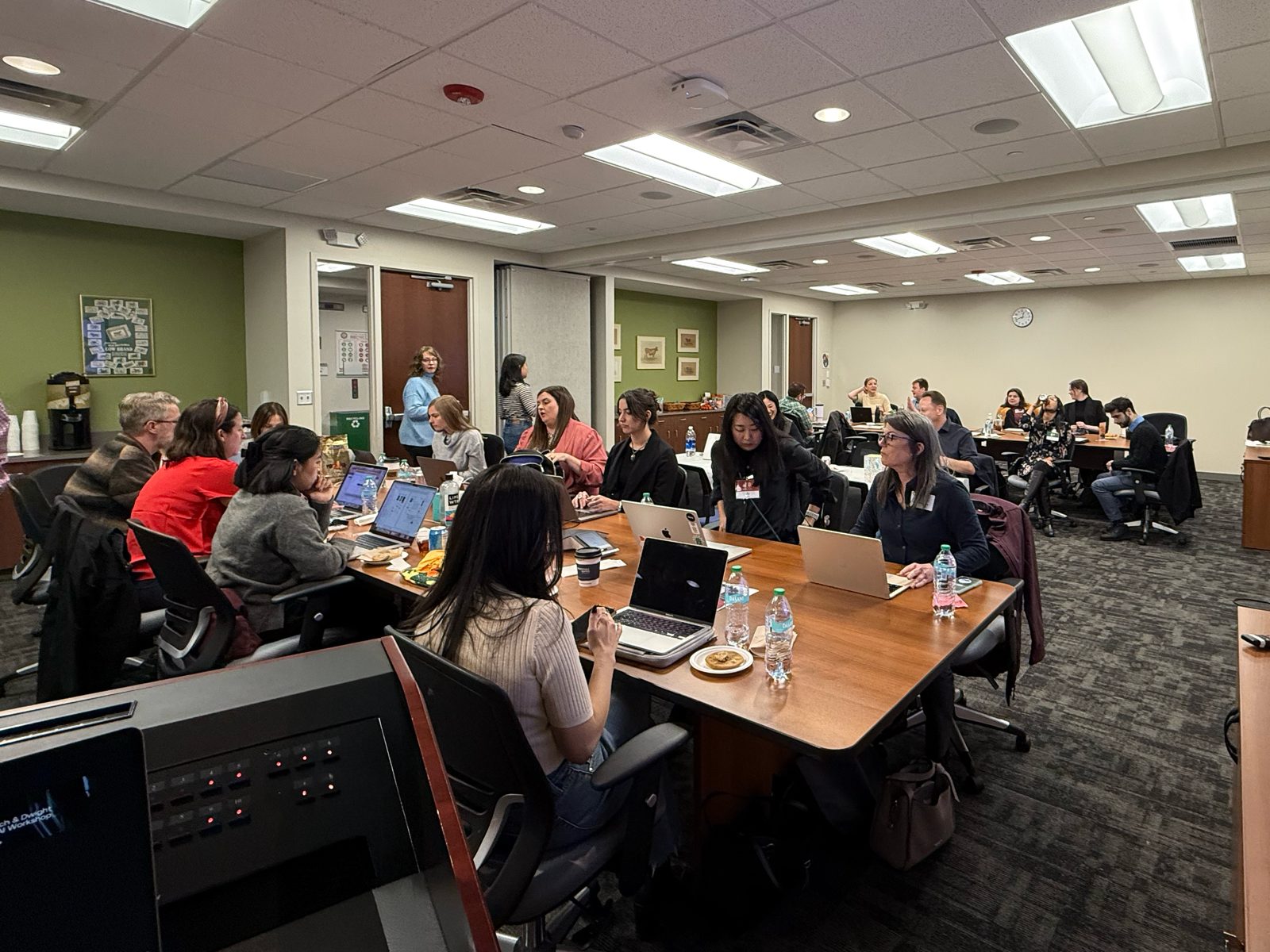
I help teams go from curious to confident with hands-on sessions that make complex ideas simple.
I've done various trainings across GenAI text, image, video and sound tools for teams at Publicis Groupe, Starbucks, Samsung, DIRECTV, Church & Dwight and many more.
Planning an event? Say hi.
What this site collects.
When you fill out a form on this site, like the contact form or a sign-up form, I get what you enter, such as your name, your email and your message. The forms run on Netlify, the company that hosts this site, and they pass your details on to me. I use them to reply to you or to send you what you signed up for. I don't sell your details or share them with anyone else.
This site may use analytics tools to see which pages people read and how they found the site. These tools can set cookies and count visits, but they don't tell me who you are. You can block them in your browser settings or with an ad blocker.
Like most websites, the host keeps basic technical logs, such as IP addresses, to keep the site running and safe.
Questions about any of this? Email lorena@lorlima.com.
Last updated November 2026